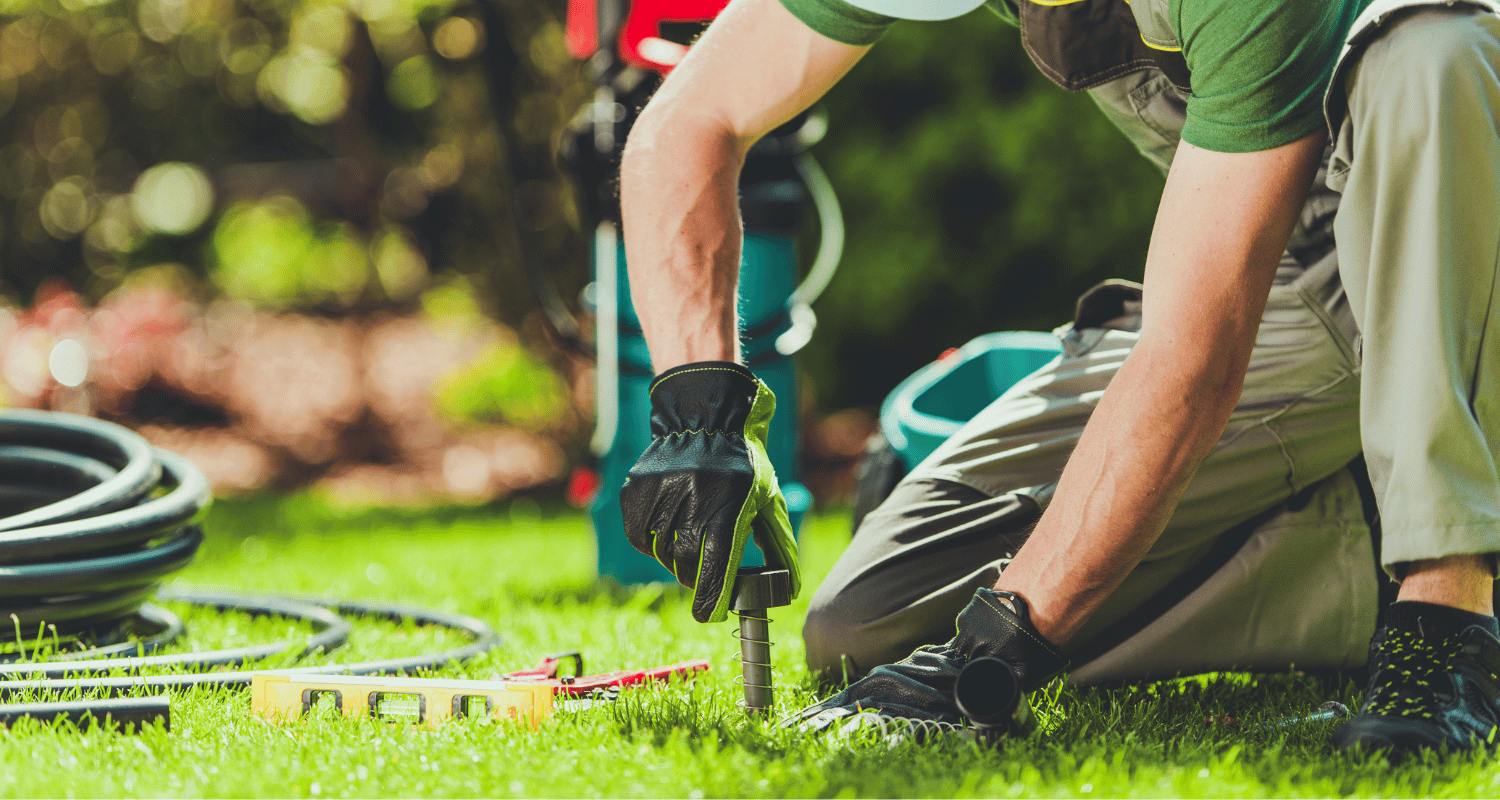
If you live near Nashville and still drag out a hose and sprinkler every evening,…
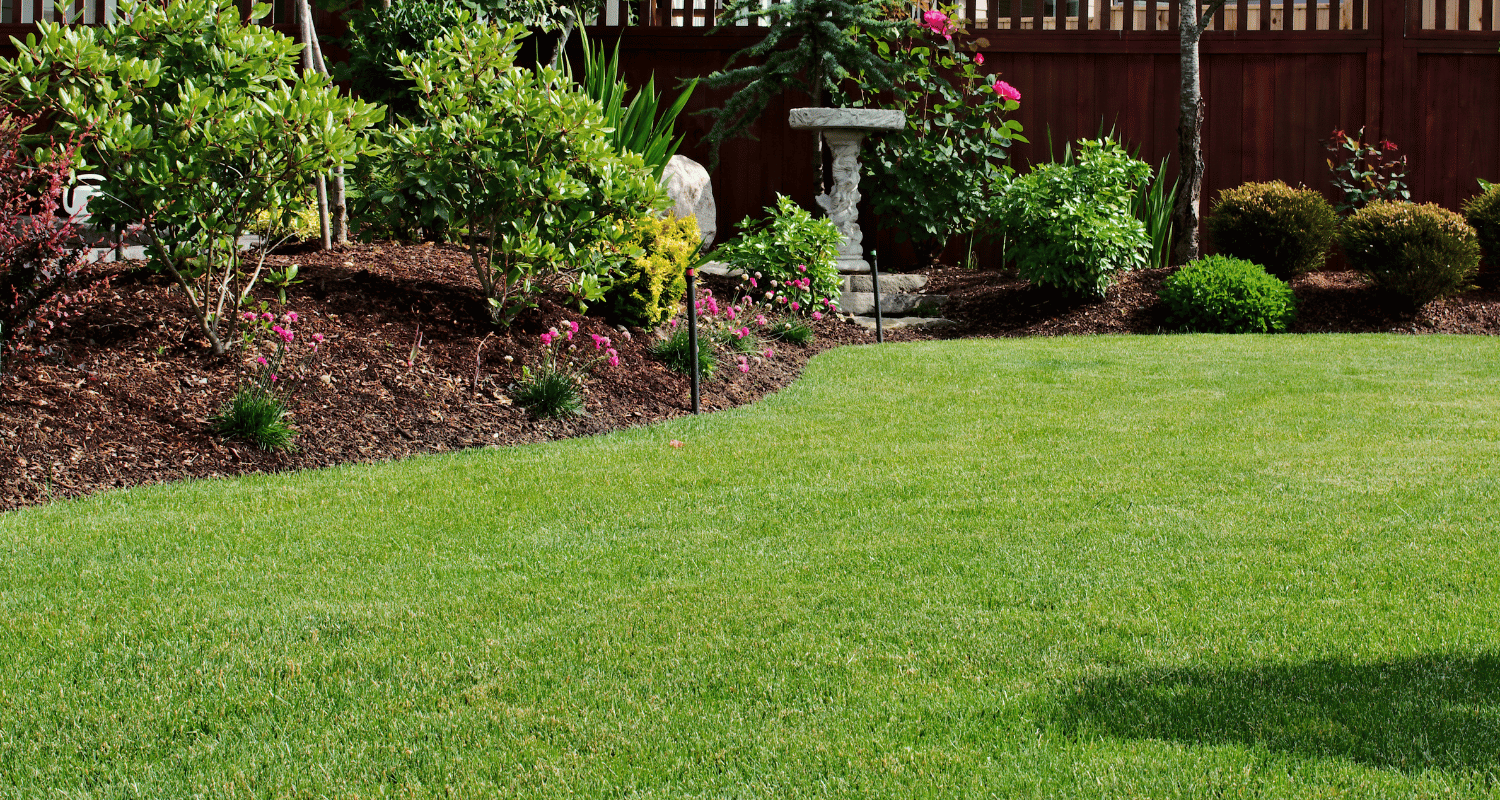
Landscape Maintenance Guide for Nashville: Seasonal Tips, Watering, and Weed Control
If you live in the Nashville area and want your yard to look its best through all seasons, this guide is for you. You’ll learn how to care for your lawn and beds in spring, summer, and fall; how to water correctly; how to keep weeds in check; how to handle soil; and which plants work best.
This is practical advice from your friends at Opportunity Landscapes and Nursery for Nashville homeowners who want a yard they can enjoy.
Why Nashville Is Different
Nashville has hot, humid summers and variable rainfall. Your soil may be clay-heavy, sandy, or a mix of both. The grass and plants you pick must handle both heat and moisture swings. Also, local rules require care around runoff, erosion, and chemical use. Clear yard care helps both your property and the environment.
Spring Yard Care Checklist
- Rake dead leaves and debris to let grass breathe.
- Test your soil pH and nutrients; a soil test helps you know what your plants need.
- Clear thatch only during the active growth season.
- Seed or overseed thin patches if your grass type supports it.
- Mulch beds with about 2 inches of fresh mulch to retain moisture and stop weeds.
- Set a watering plan. Early morning is best when temperatures rise.
Summer Care for Your Lawn & Beds
- Water deeply and infrequently rather than lightly and often. Deep roots are stronger.
- Water in the early morning to reduce evaporation and fungus risk.
- Mulch beds to keep roots cool and moist.
- Mow at the right height for your grass type. For example, warm‑season grasses may need shorter height than cool‑season.
- Inspect for weeds and remove them early before they spread.
- If you feel the workload is too much, consider professional help like a landscape design service from us.
Fall Maintenance & Preparing for Winter
- Look for stress signs such as brown patches, thinning turf, or compacted soil.
- Aerate heavy clay soil so roots can get air and water.
- Apply compost or organic matter to improve soil health.
- Seed cool-season grasses if needed.
- Reduce watering as temperatures drop.
- Clean beds, prune dead wood, and refresh mulch.
If you have hardscape work, now is a good time. Explore our Hardscape Installation Service.
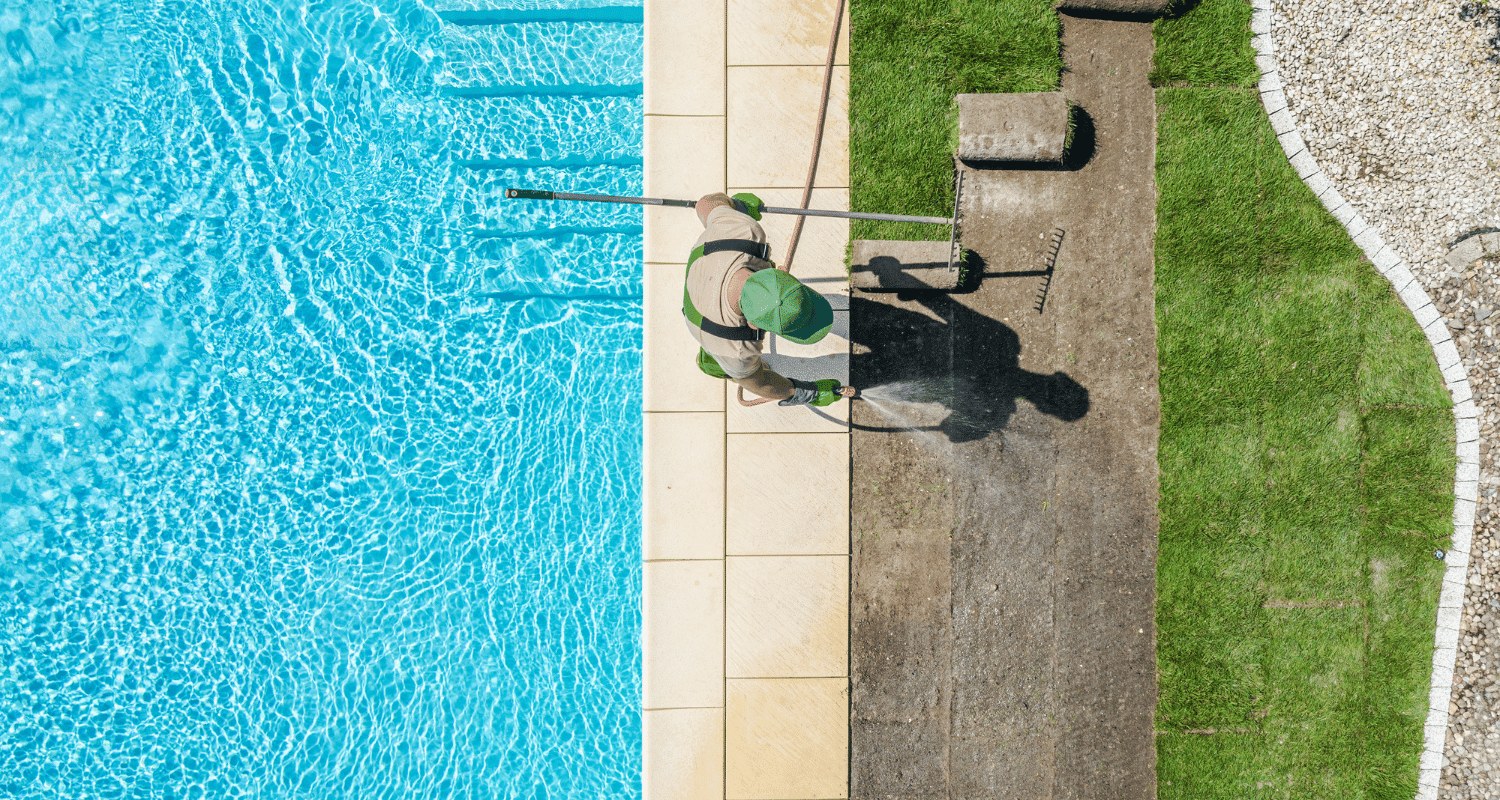
Soil Health: The Foundation of Good Yard Care
Your yard’s soil determines how well your plants grow. In Nashville many yards have clay or mixed soils with a limestone base.
Testing soil gives you pH, nutrient levels and structure info.
Amending soil means adding compost, organic matter or lime/sulfur to match plant needs.
Soil type matters: clay drains slow but holds water, sandy drains fast but dries out.
Knowing your soil helps you decide what to plant and how to care for your yard.
Watering Smart for Nashville
- Measure how much rain you get and water to supplement during dry spells. In Nashville, aim for about 1 to 1.5 inches per week in peak summer.
- Water early in the morning to reduce loss through evaporation.
- For beds and shrubs, use drip lines or soaker hoses rather than overhead spray. This saves water and supports healthy roots.
- Invest in a smart controller or timer if you’re busy and want watering to stay consistent.
Weed Control Without Messing Up Your Yard
- Mulch beds to suppress weed seeds and retain moisture.
- Identify your weeds so you can treat them correctly (for example, crabgrass in spring).
- Pull weeds early while roots are shallow.
- Use pre-emergent herbicides in early spring and post-emergent if weeds are already active. Be mindful of grass type and weather.
- Keep turf strong through proper mowing, watering, and fertilizing so weeds don’t gain ground.
Plants That Thrive in Nashville
Pick plants that handle hot summers and local soil conditions.
Trees: Red Maple, Dogwood, Eastern Redbud.
Shrubs: Butterfly Bush, Oakleaf Hydrangea, Sweetspire.
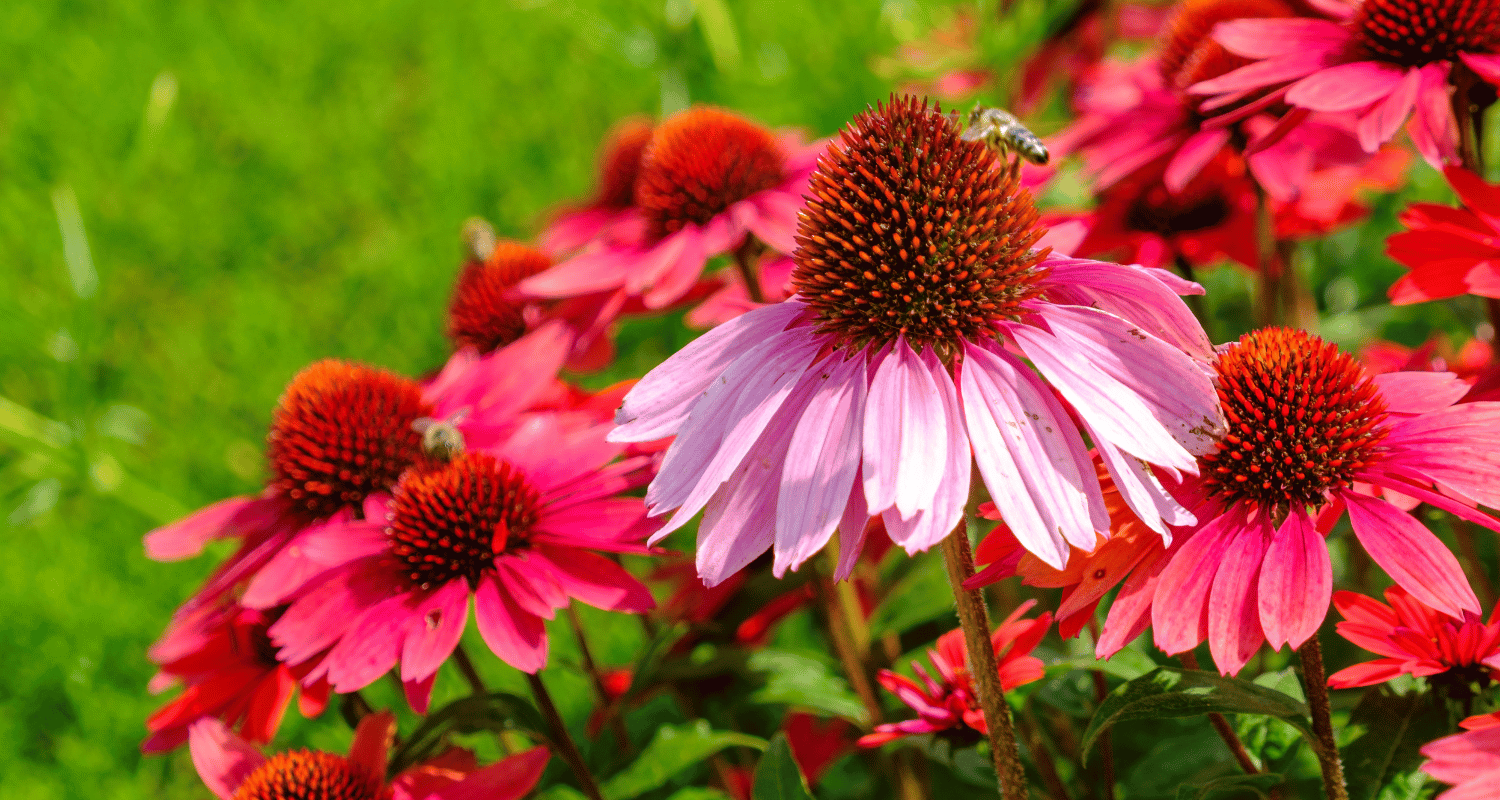
Perennials: Coneflower, Hostas (in shade), Black‑Eyed Susan.
Annuals: Marigolds, Zinnias, Petunias.
Choose native or adapted plants to reduce care and water needs. If you need help planning the layout or selecting the best plants, contact Opportunity Landscapes and Nursery for assistance.
Monthly & Annual Checklist
- Every month: mow, trim, check for weeds, and inspect soil moisture.
- Each season: spring = soil test + mulch; summer = deep watering + proper mowing; fall = aerate + seed + prep; winter = minimal work but clean debris.
- Every year: refresh mulch, inspect your irrigation system, and prune or replace plants as needed.
By following a routine, your yard will perform better and require fewer emergency fixes.
FAQs
When is the best time to add topsoil in Nashville?
Early spring and fall are best. These times let the soil settle and plants establish before heat or cold.
What is the best mowing height for our area?
It depends on your grass type. Cool‑season grasses like tall fescue are higher; warm‑season like Bermuda are shorter.
How much water does my lawn need in summer?
Aim for about 1 to 1.5 inches of water each week in peak summer unless heavy rain falls naturally.
How do I know if my soil is clay or sand?
You can do a simple jar test (mudshake) or send a sample to a lab. Clay is dense and drains slowly; sand drains fast.
Can I skip irrigation if it rains a lot?
You might but monitor your soil and grass. Even after rain certain spots may dry out or roots may need watering if rainfall is inconsistent.
When should I aerate my yard?
For warm‑season grasses late spring; for cool‑season grasses early fall. Avoid aerating in stress periods.
Summary
Your yard in Nashville can look great with focus on the right tasks at the right times. If you care for your soil, water smartly, mow well, mulch, and keep weeds out, you’ll save time and money long term.
And if the work feels like too much, Opportunity Landscapes and Nursery can help with plant planning, design, or maintenance.
Pick a season, grab your tools, and give your yard a plan that works with Nashville’s conditions, not against them.
Related Posts