If you live in the Nashville area and want your yard to look its best…
How to Install a Yard Irrigation System in Nashville
If you live near Nashville and still drag out a hose and sprinkler every evening, you may be wasting water and harming your lawn. Installing a proper irrigation system ensures your grass, shrubs, and flower beds get the right amount of water.
In this guide, you’ll learn how to plan your system, pick the right type, handle local weather and soil conditions, decide between DIY and hiring a pro, and maintain the setup for years to come.
Why Nashville Homeowners Should Upgrade to an Irrigation System
Many people think installing a yard irrigation system is simple: buy parts, dig a trench, lay pipe, and hook up water. But without proper planning, you may end up with poor coverage, wasted water, or damaged plants.
If you want professional‑level support, consider reaching out to Opportunity Landscapes and Nursery. This company provides services in this area and can help with design and installation.
If you still want to know how it works and what you’ll face? Then keep reading.
Local Conditions That Matter
Climate & Soil in Nashville
In the Nashville area, summers are hot and humid, and rainfall varies month to month. For example, October is relatively dry compared to spring and early summer.
Your soil type also matters. If you have heavy clay, water drains slowly. If it’s sandy, water drains fast. That affects how long and how often you’ll irrigate.
Water Pressure, Permits & Local Rules
Before installing you should:
- Measure your water pressure (PSI) and flow rate (GPM).
- Check meter size and water main size.
- Check if a permit is needed in Nashville or your local zone.
- Confirm whether your neighborhood requires a licensed contractor or backflow device.
Getting these items right avoids legal issues and system failures.
Picking the Right System for Your Yard
Traditional Sprinkler Systems
Sprinklers cover large turf areas with pop-up heads or fixed nozzles. They are simpler to install and cost less upfront, but they often waste water by spraying sidewalks, driveways, or zoysia patches that don’t need full coverage.
Smart Irrigation Systems
Smart systems use sensors, weather data, and remote controls. They water only when needed and adjust for weather. These systems save both water and effort.
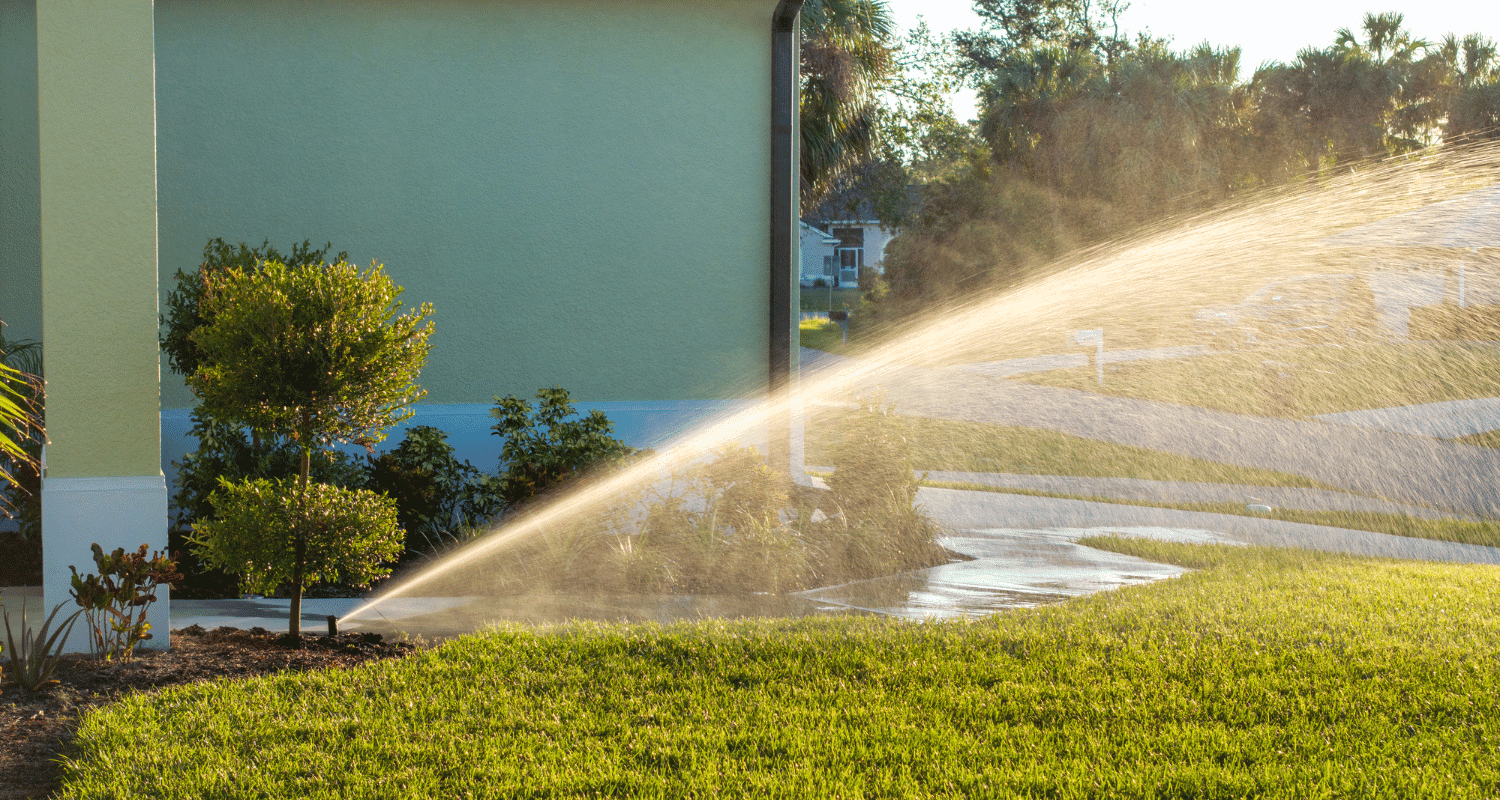
Which Fits Nashville?
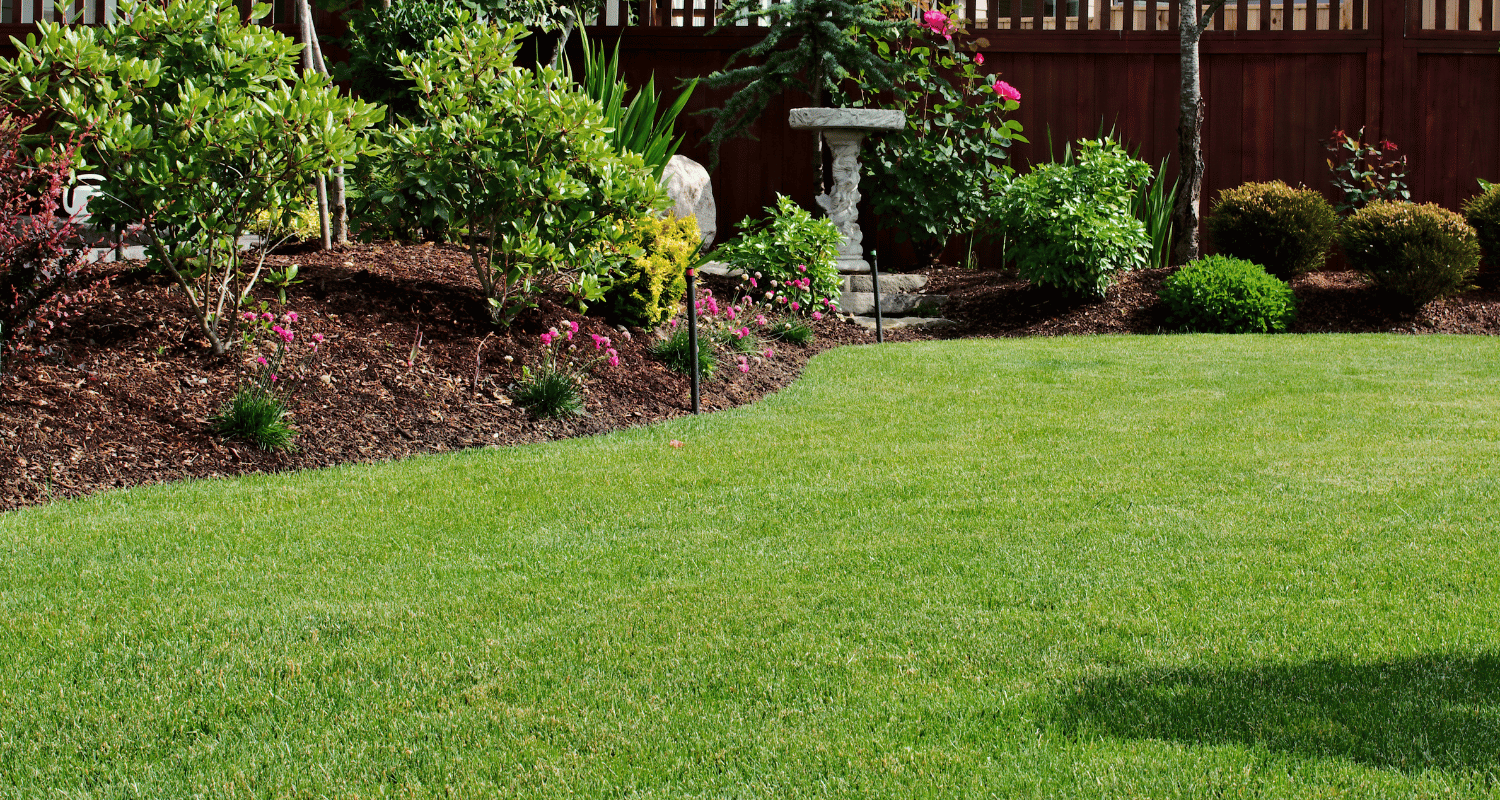
In our region, you’ll often mix turf zones with flower beds, shrubs, and mulched areas. A good plan may use sprinklers for turf and drip or micro-irrigation for beds. Depth, slope, and sun exposure also matter.
When you’re ready to hand off design or installation, check Irrigation Systems installation company for local options.
Planning Your Yard Irrigation System
1. Gather the Data
- Get your meter size and water line diameter.
- Measure system water pressure in PSI and flow rate in GPM.
- Note your turf type (fescue, Bermuda, etc.), bed types and soil texture.
This data guides how many zones you will have and how your system will operate.
2. Map Your Yard
Use graph paper or a digital layout to draw your house, garage, large trees, flower beds, fences, and driveways. Then mark:
- Zones (turf vs. beds)
- Sprinkler or drip head locations
- Areas to avoid (driveways, patios, sidewalks)
You want even coverage and avoid spraying surfaces that don’t need water.
3. Design the System
Based on your data and map:
- Decide the number of zones (flow and pressure limits guide this).
- Select head types whether spray for turf, rotor for large zones, or drip for beds.
- Choose a controller whether basic or smart.
- Pick pipe sizes, valves, a backflow preventer, and wiring layout.
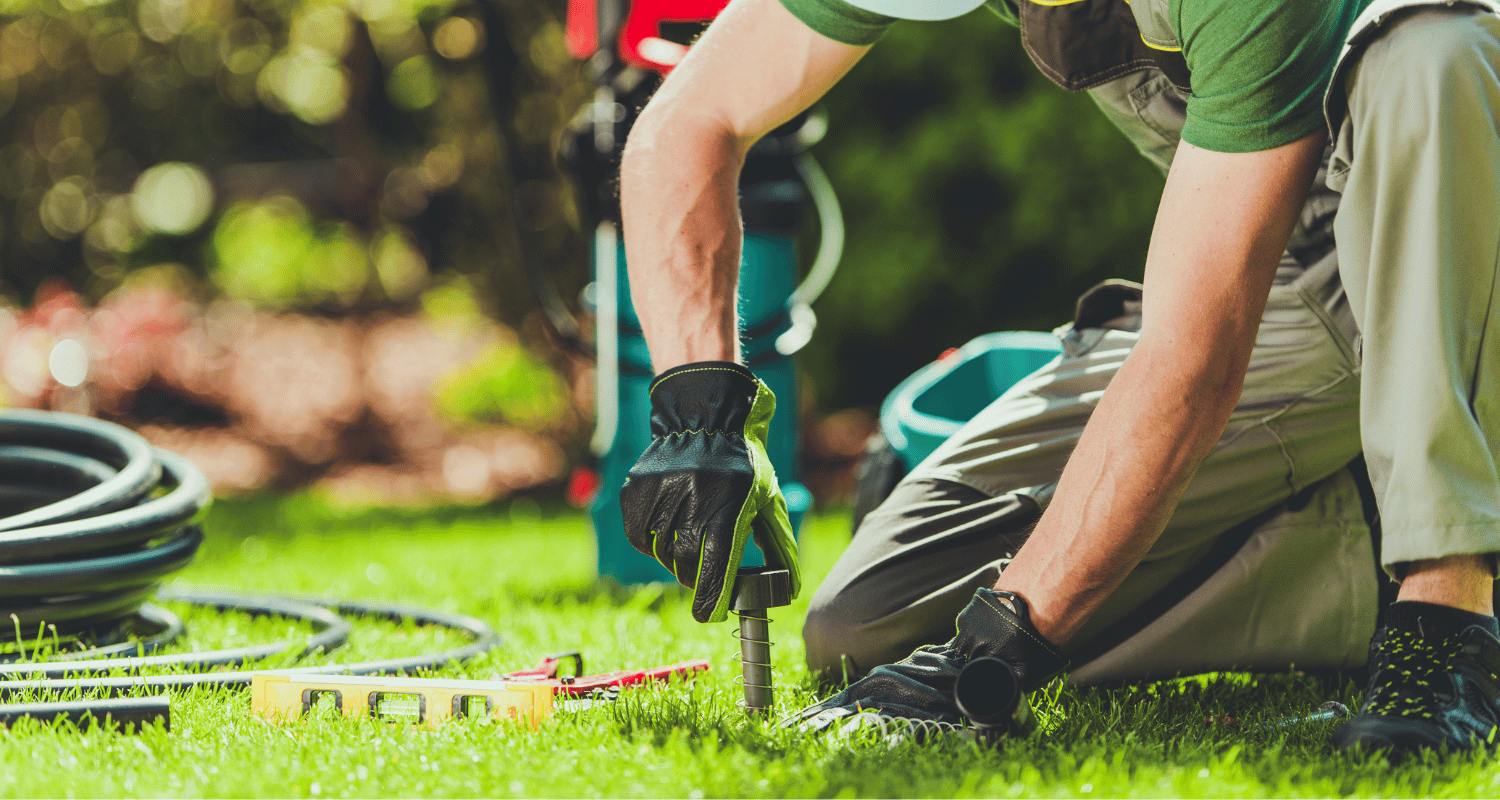
4. Install
- Mark utilities and shut off the water.
- Dig trenches or use horizontal directional drilling if needed.
- Lay main and branch lines, and install valves.
- Set sprinkler heads or drip tubing at the correct depths and spacing.
- Connect to the controller, run wiring, and set zones.
5. Test & Fine‑Tune
Turn each zone on manually to check coverage, pressure, and leaks. Adjust sprinkler head angles to avoid hard surfaces. In the Nashville summer, you may run irrigation 2–3 times a week depending on rain. Then set up a maintenance schedule.
Cost Breakdown & DIY vs Professional
Cost Cases
If you DIY and have simple turf only, material costs might be a few hundred dollars. If you hire a pro for a larger yard, costs may run into the thousands, labor, parts, and permit fees all add up.
Why Hire a Pro?
A professional handles design, local code, utility marking, and warranty work. They understand the local soil and pressure issues and can size the system correctly. If you want a long-term, high-performance system, calling a local installer may save time and trouble.
When to Install & Weather Prep for Nashville
In Nashville, October sees average highs around 74 °F and lows around 50 °F, making it a good time to install or upgrade before winter.
In summer, high heat and humidity plus heavy spring rain mean your system must be ready for variability. Use smart scheduling or pause zones during heavy rainfall.
Winterizing is important too. If your area drops below freezing, blowing out lines or draining drip systems prevents pipe damage.
Maintenance Tips for Long Life
- Check and clean sprinkler heads monthly.
- Inspect drip filters or emitters.
- Adjust the controller at season changes (spring and fall).
- Skip watering after heavy rain.
- Before freezing temperatures, drain or blow out the system.
- Replace older controllers or sensors when they stop adapting.
Summary
Installing a yard irrigation system is a smart move if you want an even, healthy yard with less hassle. Make sure you respect local conditions, soil, pressure, permits, and choose the right system type.
Plan your layout, size it correctly, install carefully, and maintain it. Whether you do it yourself or hire a pro, you’ll save water and get better results than dragging a hose every evening.
FAQ
Can I install an irrigation system myself?
Yes, you can install it yourself if you’re comfortable with planning, trenching, and plumbing work. But Nashville soil can be tricky and water pressure varies. Mistakes often cost more than hiring a pro. If unsure, talk to a licensed installer or contact Opportunity Landscapes and Nursery.
Do I need a plumber or permit to install irrigation?
In most parts of Nashville, a permit is required if the system connects to the municipal water supply. A certified backflow prevention device is also required and must be installed and inspected by a licensed plumber. Always check with local code officials before starting.
How much does a sprinkler system cost in Nashville?
For an average residential yard, costs usually range from $2,000 to $5,000, depending on yard size, system type, and soil condition. Larger or more complex zones with smart systems may cost more. Always get quotes and check what’s included.
What is the 30/30 rule for drip irrigation?
The 30/30 rule means placing drip emitters no more than 30 inches apart and running them for about 30 minutes per session. This helps ensure even water distribution. Adjustments may be needed based on soil type and plant needs.
Is well water compatible with irrigation systems?
Yes, many systems can run on well water, but you must test the water quality and pressure. Some wells may need filters or boosters. Also, heavy use could strain a shallow well. It’s best to consult a local irrigation expert to assess your setup.
Related Posts