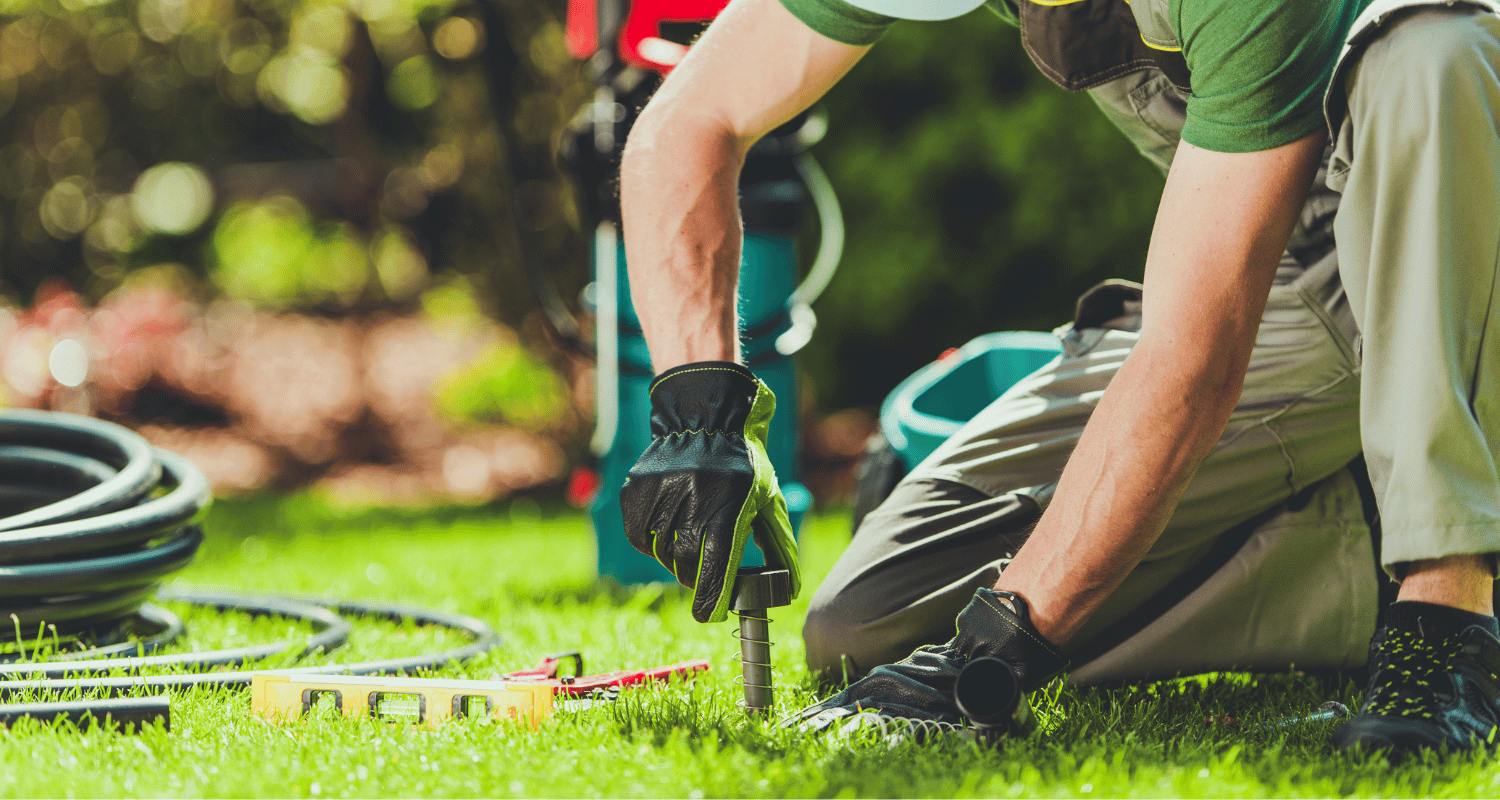
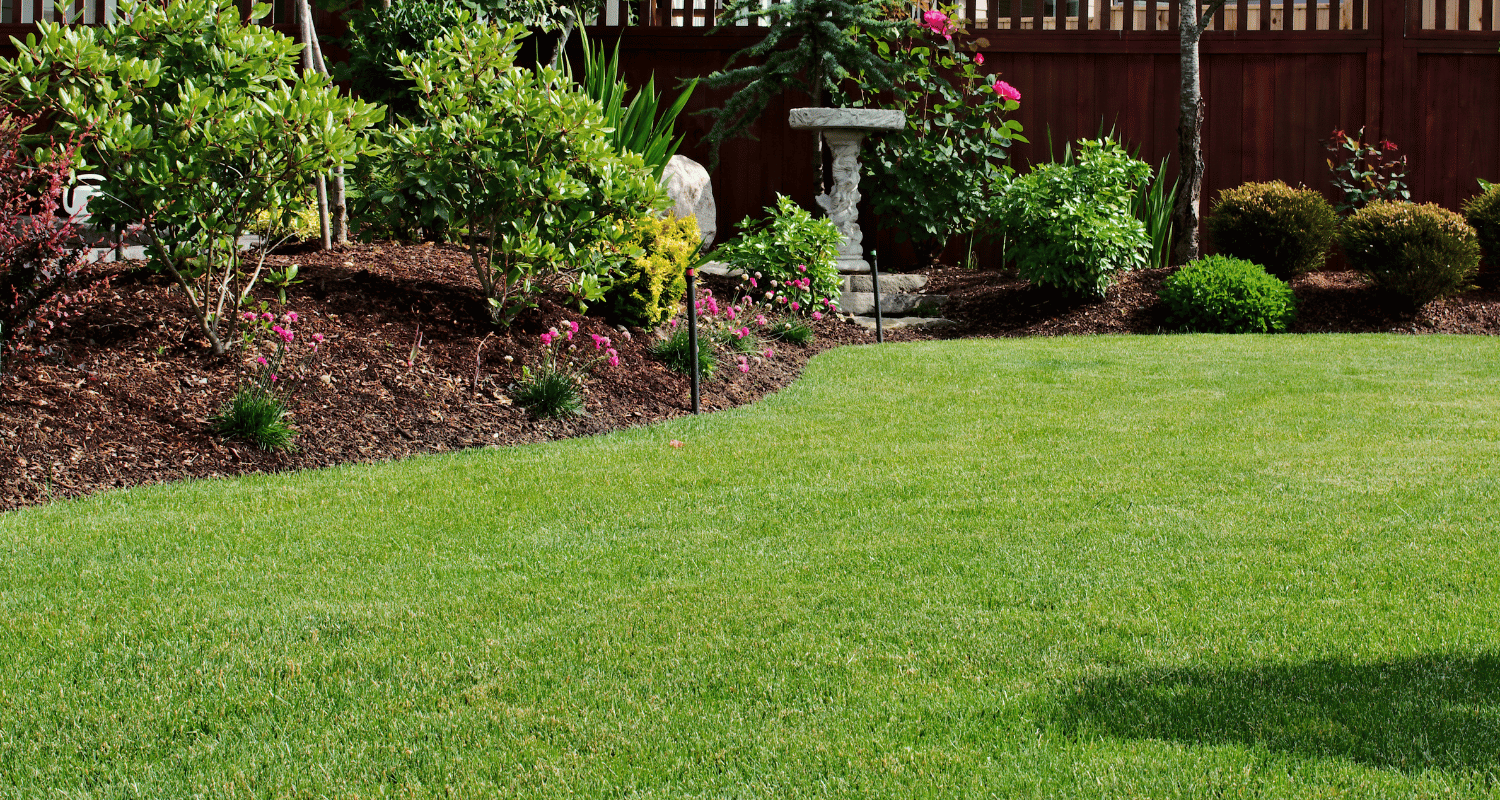
If you live near Nashville and still drag out a hose and sprinkler every evening,…
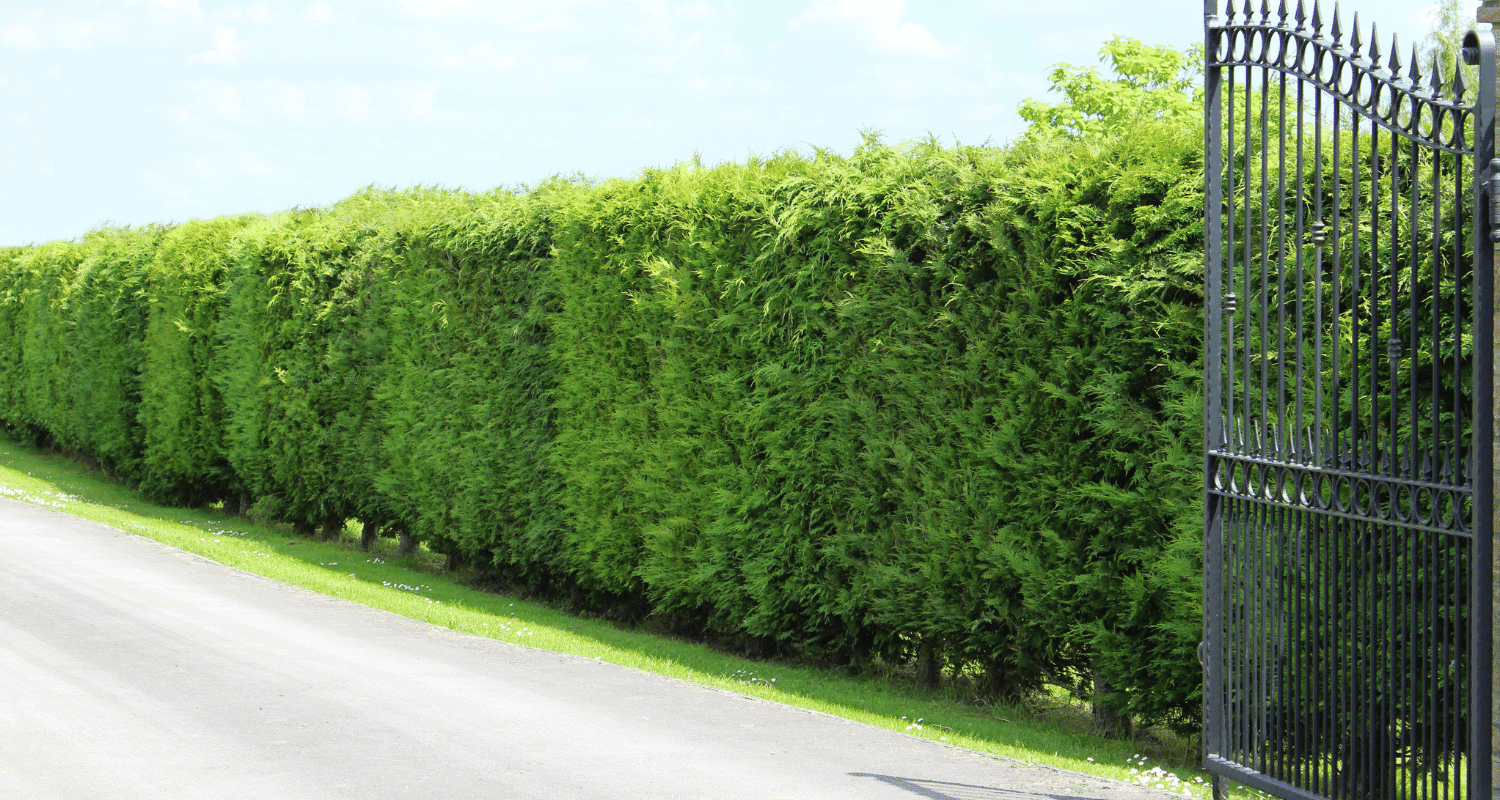
Fast Growing Privacy Trees: Your Complete Guide to Creating Natural Screens
Creating an effective privacy screen in your yard doesn’t have to take a decade. Several tree species can establish a functional barrier within 3 to 5 years, transforming an exposed outdoor space into a secluded retreat. However, choosing the right species requires understanding the trade-offs between growth speed, longevity, and maintenance requirements.
Understanding the Appeal of Living Screens
Trees offer advantages that traditional fencing cannot match. A mature tree screen absorbs noise pollution, improves air quality, provides cooling shade, and typically increases property values. Research shows that properly placed vegetation can reduce street noise by up to 50%. Unlike wooden or vinyl fencing that starts to deteriorate immediately after installation, healthy trees become more valuable and attractive over time.
The primary consideration is timeline. Fencing provides instant privacy, while even the fastest-growing trees need 2 to 3 years to create a functional screen and 5 to 7 years for complete coverage. Professional Nashville Landscape Design services can help determine whether trees, fencing, or a combination works best for specific properties.
Evergreen Versus Deciduous for Year-Round Coverage
Evergreen trees maintain their foliage throughout the year, providing consistent privacy in every season. This makes them the default choice for most screening applications. Deciduous trees lose their leaves in winter, creating a seasonal gap in coverage that many property owners find unacceptable for privacy purposes.
Deciduous screens do offer certain advantages. They typically resist pests more effectively, adapt to broader soil conditions, and tolerate aggressive pruning better than many evergreens. In climates with mild winters or for properties where outdoor space is primarily used during warmer months, deciduous screens can work well.
For true year-round privacy, evergreens remain the superior choice. The psychological benefit of permanent screening should not be underestimated.
Top Species for Rapid Privacy Screening
Thuja ‘Green Giant’ Arborvitae
Green Giant arborvitae represents one of the most reliable choices for privacy screening. It grows 3 to 4 feet annually, provides dense foliage coverage, and adapts to various climate zones. Mature height can reach 40 to 50 feet while maintaining a relatively narrow spread of 12 to 15 feet, making it suitable for suburban properties with limited space.
Proper spacing requires 5 to 6 feet between trees for solid hedge formation, or 8 to 10 feet for individual specimens. The species performs well in full sun to partial shade and tolerates a range of soil types as long as there is adequate drainage.
Potential drawbacks include attractiveness to deer and occasional winter damage in harsh climates. Despite these concerns, the species offers an excellent balance of growth rate, density, and hardiness for most applications.
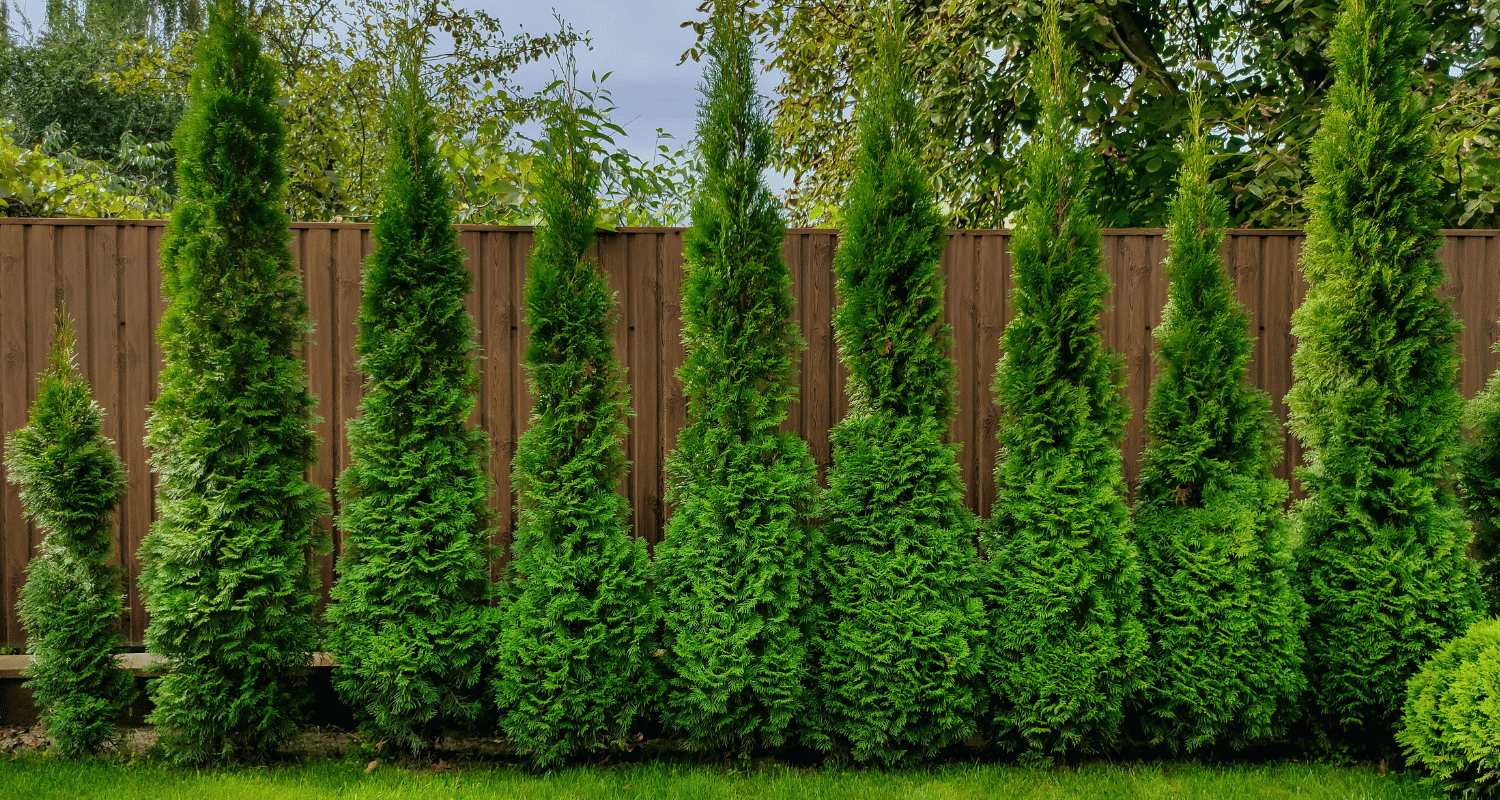
Leyland Cypress
Leyland Cypress achieves exceptional growth rates of 3 to 4 feet per year, potentially reaching 60 to 70 feet at maturity. The classic evergreen form and dense branching create impressive screens quickly.
However, this species has notable vulnerabilities. It is susceptible to canker diseases, performs poorly in waterlogged soil, and has shallow roots that increase windthrow risk. Success requires optimal conditions: well-drained soil, proper spacing, and regular monitoring for disease symptoms. Professional Drainage & Irrigation Systems can help ensure proper soil moisture levels for sensitive species.
When site conditions align with species requirements, Leyland Cypress delivers spectacular results. In less-than-ideal situations, more resilient alternatives prove more practical.
Cryptomeria (Japanese Cedar)
Cryptomeria japonica grows 2 to 3 feet annually and handles diverse growing conditions better than many alternatives. The feathery foliage texture provides visual interest, and the species works equally well in formal hedges or naturalistic screens. Bronze winter coloration adds seasonal variation that some find attractive.
The primary requirement is consistent soil moisture. Repeated drought stress causes needle drop and reduced vigor. With adequate water, Cryptomeria proves tougher than Leyland Cypress and more interesting than standard arborvitae.
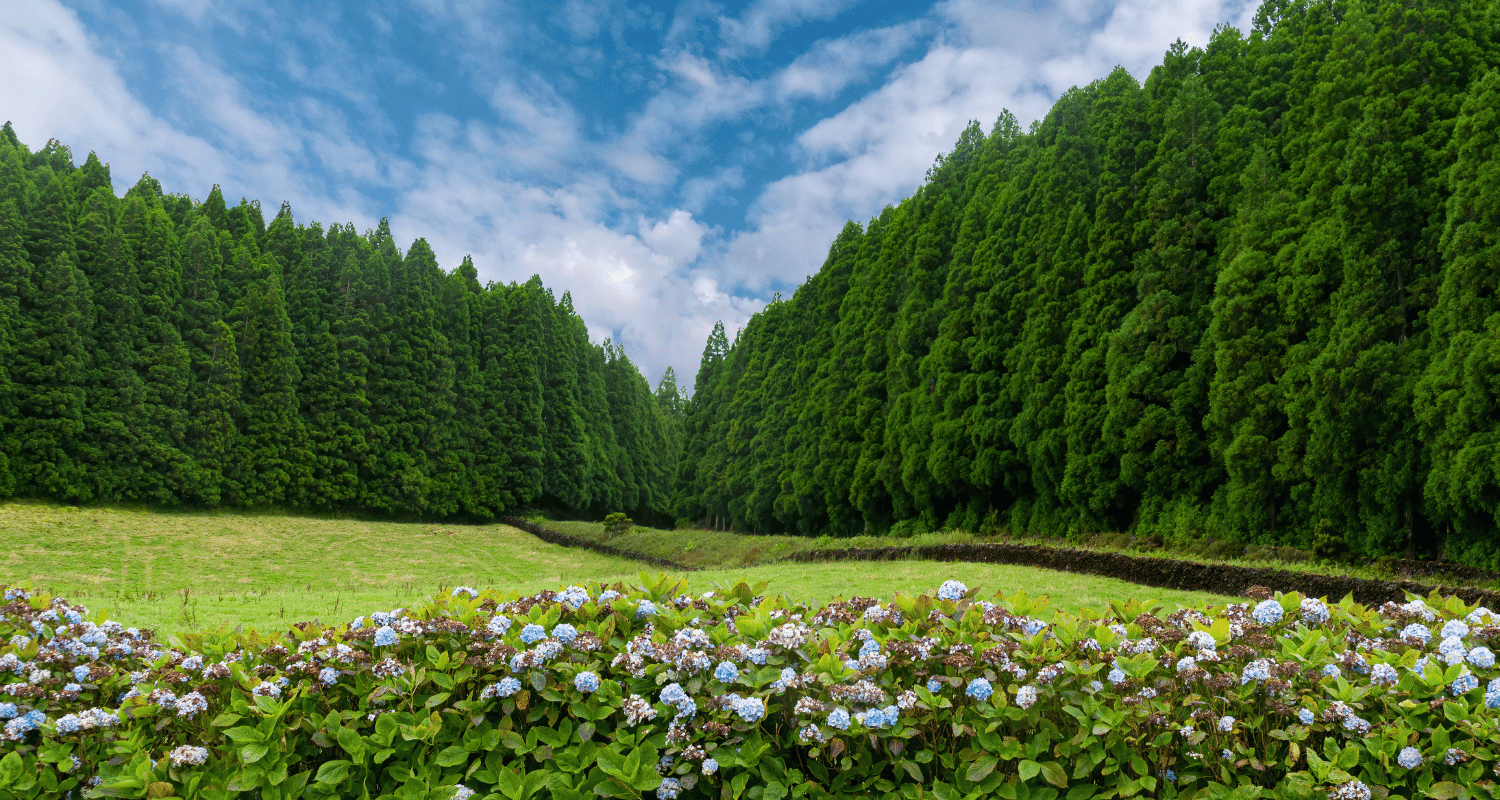
Eastern Red Cedar (Juniperus virginiana)
Eastern Red Cedar tolerates poor soil, drought, and neglect better than most screening options. Growth rate is more moderate at 1 to 2 feet per year, so it takes additional time to establish full coverage. The trade-off is exceptional durability once established.
As a native species across much of North America, Eastern Red Cedar supports local wildlife and ecosystems more effectively than exotic alternatives. Young specimens can appear somewhat irregular, but mature trees develop attractive natural forms. This species suits situations where low maintenance and environmental adaptation outweigh the need for immediate screening.
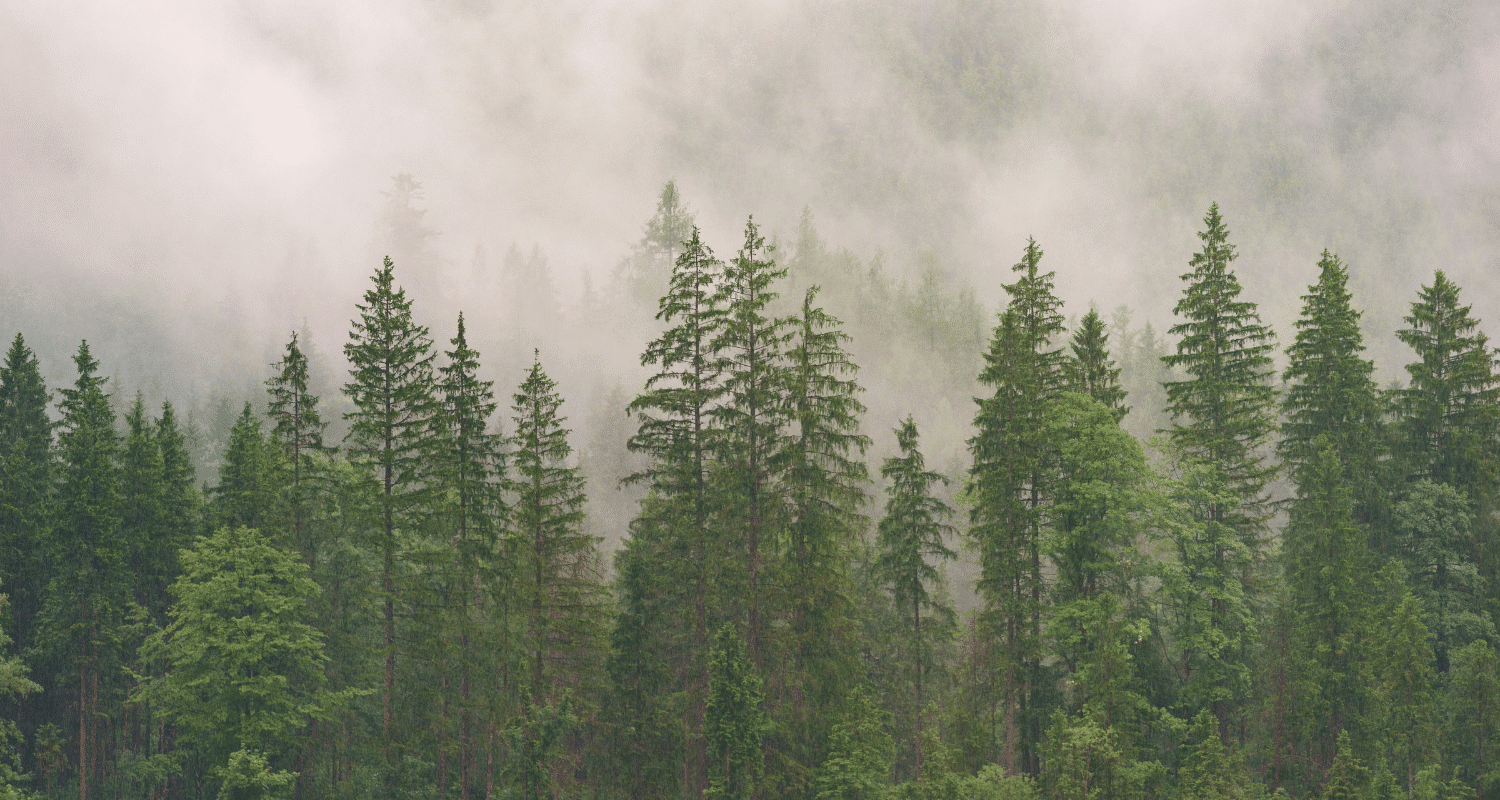
Carolina Sapphire Cypress
Carolina Sapphire Cypress excels in warm, humid climates where other cypresses struggle. Growth rates reach 3 to 4 feet annually, and the blue-gray foliage color provides visual distinction from typical green screens.
Cold hardiness is more limited than Leyland Cypress, but disease resistance is superior. For southern regions seeking something beyond standard screening options, Carolina Sapphire offers an attractive alternative.
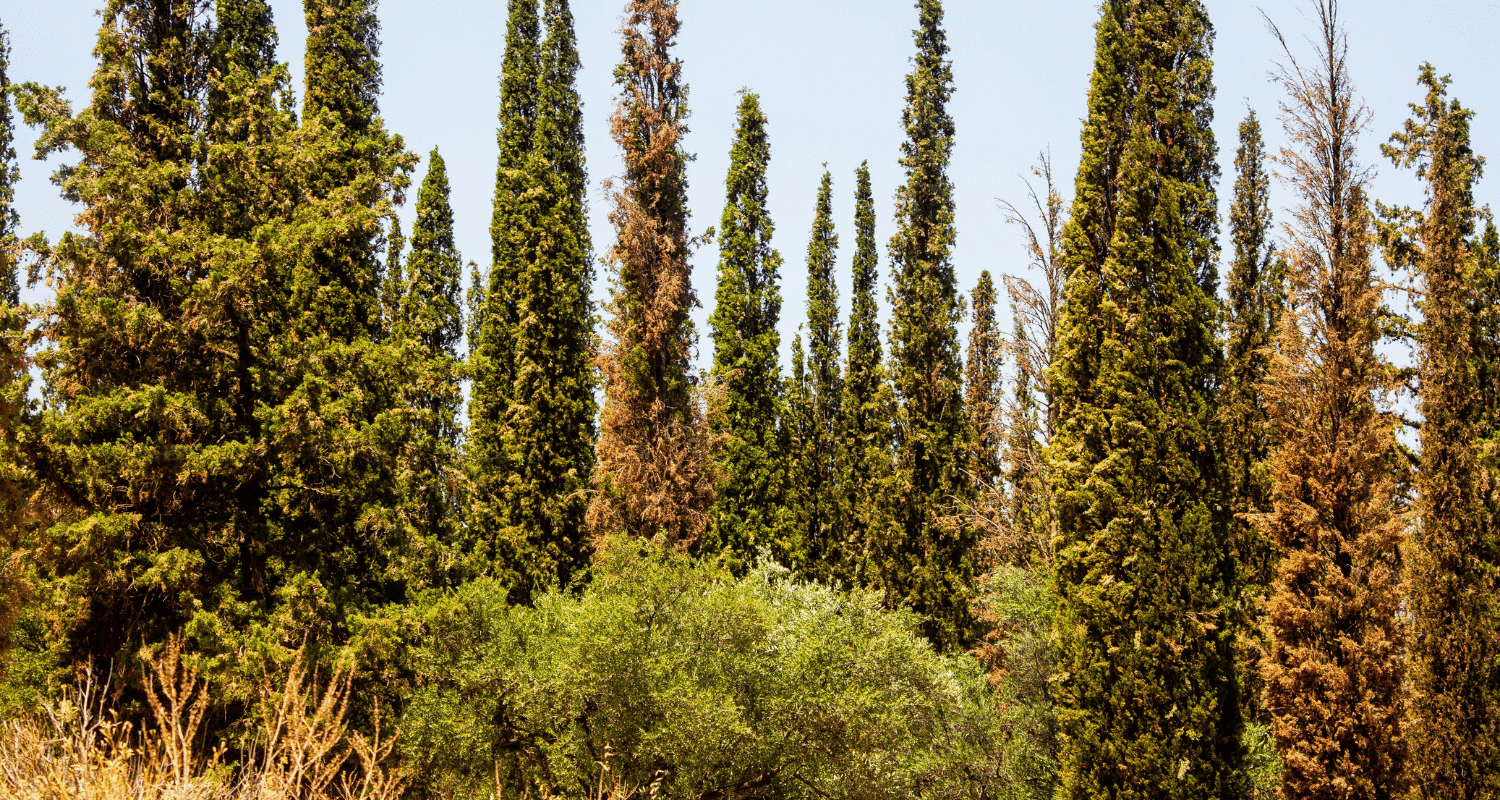
Strategic Planting Design
Effective privacy screens require thoughtful arrangement beyond simply planting trees in a line. Working with experienced professionals, particularly in areas like, ensures proper spacing and placement from the start.
Effective privacy screens require thoughtful arrangement beyond simply planting trees in a line. Partnering with experienced professionals, particularly in areas like Oak Hill, Tennessee, ensures proper spacing and placement from the start.
Single Row Versus Double Row Arrangements
Single-row plantings work adequately for blocking specific sight lines. Trees should be spaced to touch at maturity, typically 5 to 8 feet apart depending on species. Staggered double-row arrangements provide superior privacy, especially when blocking views from multiple angles. Plant two rows 6 to 8 feet apart with trees offset so gaps in one row align with trees in the other.
Foundation and Structure Clearance
Fast-growing trees planted too close to buildings often cause predictable problems. Roots can damage foundations, branches interfere with rooflines and utilities, and eventual size makes proper maintenance difficult. For trees reaching 40 to 50 feet, maintain at least 15 to 20 feet from structures. Hardscape Design & Installation projects should account for mature tree size to avoid future conflicts.
Dealing with Difficult Sites
For wet sites, species like Bald Cypress tolerate saturated conditions that kill most evergreens. In deep shade, Eastern Hemlock or Yew can succeed where other evergreens fail. Soil testing before planting identifies pH issues, nutrient deficiencies, or drainage problems that can be corrected to improve success rates.
Alternative and Complementary Approaches
Trees aren’t the only solution for privacy screening. Planting screening shrubs beneath and in front of trees fills lower gaps and provides more immediate coverage while trees mature. Species like Japanese Privet or Wax Myrtle grow quickly and complement tree screens effectively.
Bamboo grows faster than any tree, creating dense screens in 1 to 2 years. However, running bamboo species are aggressively invasive. Clumping bamboo varieties stay contained but grow more slowly and may not survive cold winters. Mixing two or three compatible species provides insurance against catastrophic disease loss while creating more natural, visually interesting screens.
Integrating Outdoor & Garden Lighting into privacy screens enhances both functionality and aesthetic appeal during evening hours.
Regional Adaptation
Most privacy tree guides focus on temperate North American or European conditions. Trees suitable for cool-season climates often fail in tropical or subtropical regions, and vice versa.
Tropical and Subtropical Considerations
Regions with hot summers, high humidity, and minimal frost require different species. Leyland Cypress struggles in heat and humidity. Better choices include Podocarpus, Ficus species, Ligustrum, or tropical pines. Monsoon cycles, intense heat, and different pest pressures require adapted planting and maintenance approaches.
Cold Climate Challenges
Extreme winter cold, heavy snow load, and drying winds limit options. Arborvitae, Spruce, and certain Pine species handle harsh conditions better than cypress varieties. Winter desiccation damages many evergreens when frozen ground prevents roots from replacing lost moisture. Anti-desiccant sprays, wind protection, and proper fall watering help prevent damage.
Common Mistakes to Avoid
Planting too close together seems to accelerate screening but creates overcrowded conditions as trees mature. Crowding reduces vigor, increases disease, and requires expensive thinning later. Planting too close to property lines causes neighbor conflicts as trees mature and encroach.
Ignoring mature size leads to screens that outgrow their space, requiring constant hard pruning or removal. A tree that sounds perfect at 15 feet becomes a problem at 50 feet if space doesn’t accommodate full size. Neglecting establishment care wastes investment. Trees that struggle through the first two years without adequate water never perform as well as properly established specimens.
Frequently Asked Questions
Which privacy tree genuinely grows fastest?
Leyland Cypress and Carolina Sapphire Cypress typically achieve the highest growth rates at 3 to 4 feet annually under good conditions. However, Thuja ‘Green Giant’ offers nearly comparable speed with better disease resistance and hardiness.
How quickly can a functional privacy screen be established?
With fast-growing species and proper care, expect a functional screen (6 to 8 feet tall) within 3 years when starting with 3 to 4 foot nursery stock. Complete screening to 15+ feet typically requires 5 to 7 years.
What spacing provides the best screening effect?
For most species, spacing of 5 to 6 feet creates solid hedged screens within 3 to 4 years. Wider spacing of 8 to 10 feet allows individual tree development but takes longer to fill gaps. Staggered double rows with 6 to 8 foot row spacing provide the densest coverage.
Do fast-growing trees have shorter lifespans?
Generally yes. Species that grow 3+ feet annually often live 20 to 40 years compared to 50+ years for slower-growing alternatives. This trade-off may be acceptable for creating privacy during home ownership, but screens will likely need replacement or renovation within a few decades.
Can privacy screens be established in shade?
Most fast-growing screening trees require full sun for optimal growth. In partial shade, growth rates decrease significantly. Options like Eastern Hemlock or Yew tolerate more shade but grow much slower. For heavily shaded areas, consider shade-tolerant shrubs or alternative screening methods.
Creating Your Screening Strategy
Professional guidance can make the difference between a thriving privacy screen and years of frustration. Seasonal Landscape Enhancements help maintain established screens throughout the year, ensuring they continue to provide maximum privacy and beauty.
For expert assistance with privacy trees selection, trees planting, and maintenance in the Nashville area, Opportunity Landscapes and Nursery offers comprehensive services to create the secluded outdoor space you envision. With thoughtful planning and appropriate care, living privacy screens provide benefits that increase steadily over time, creating outdoor spaces that feel genuinely private while improving property value and environmental quality.
Related Posts