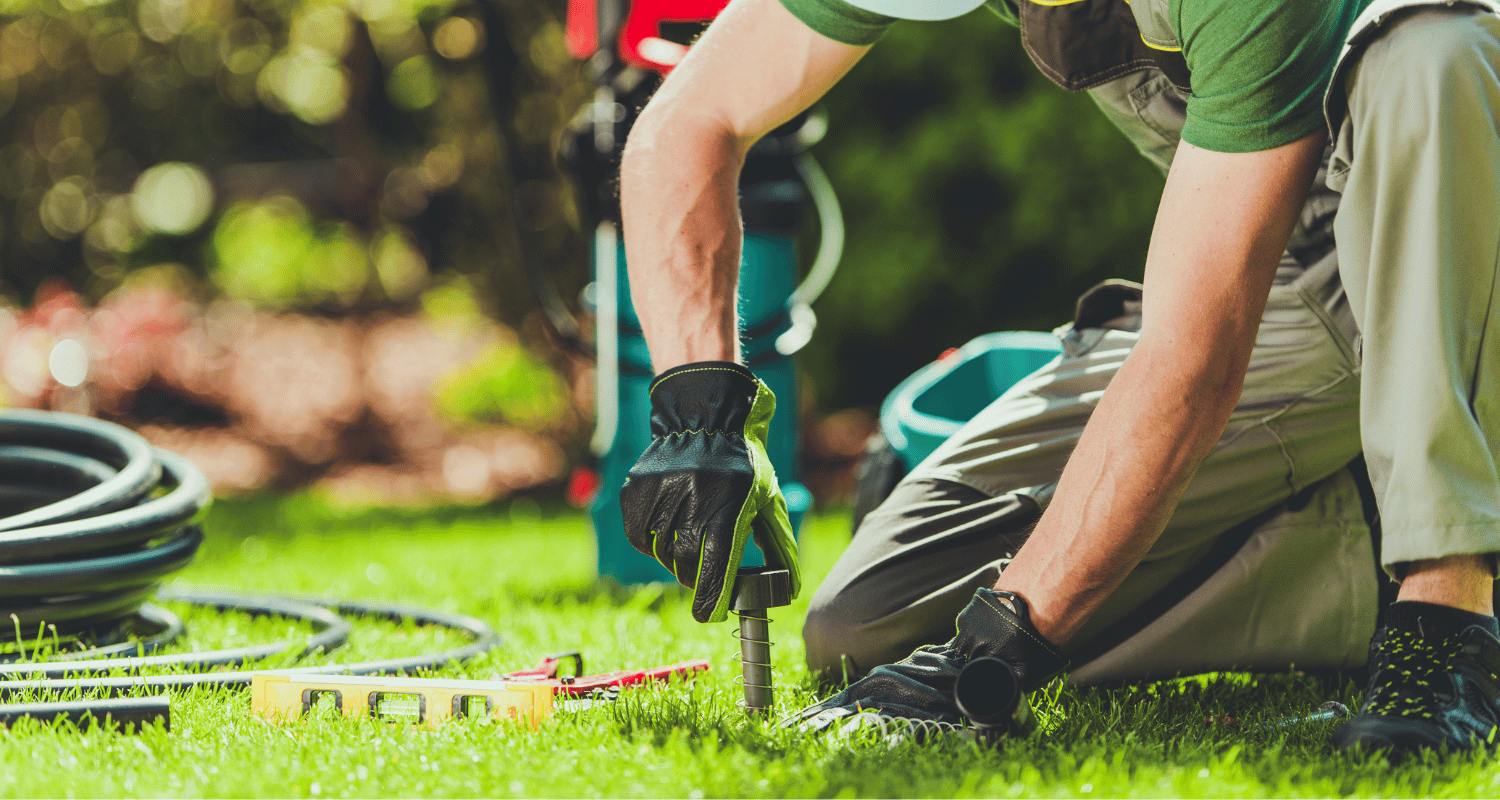
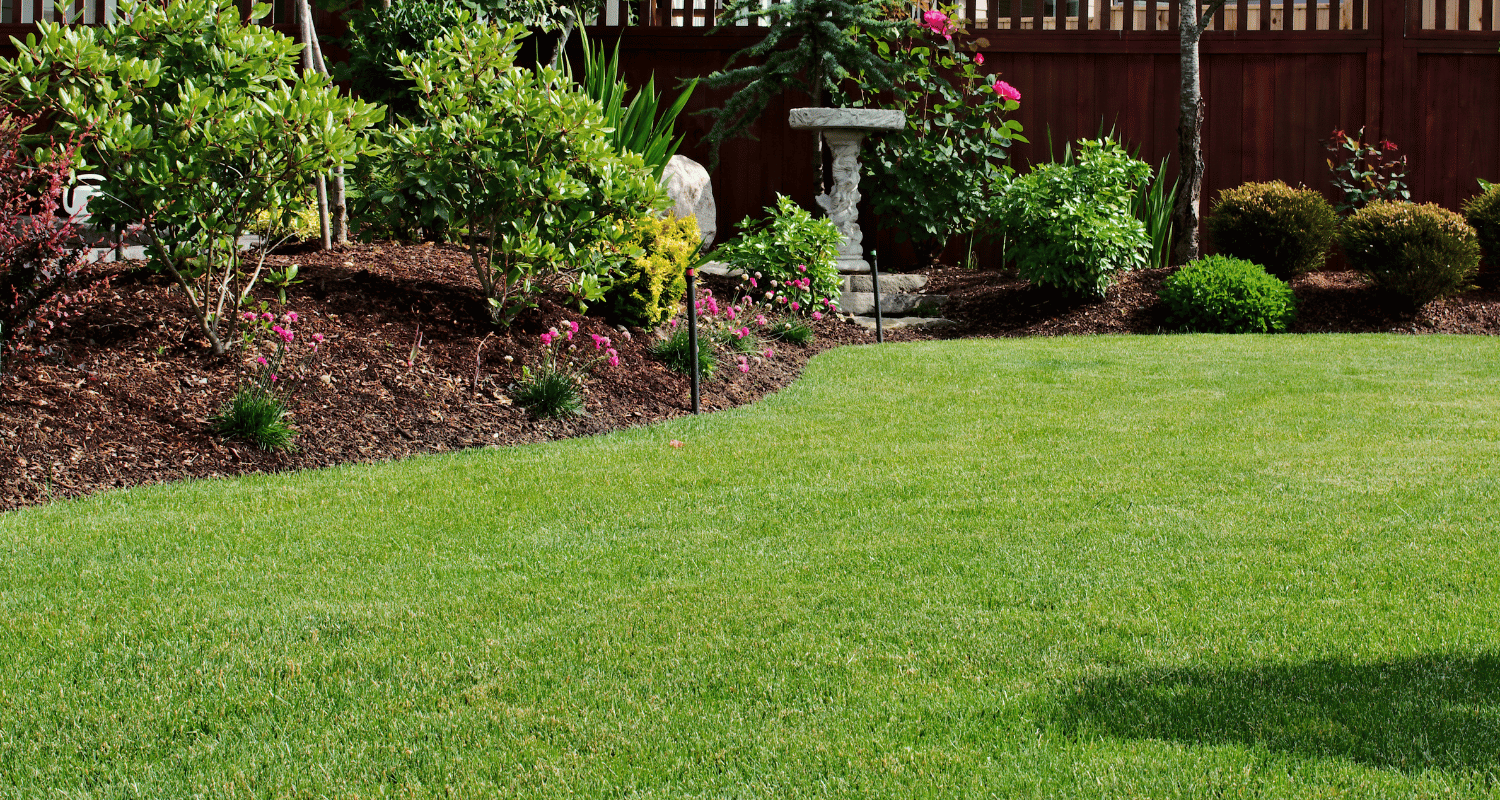
If you live near Nashville and still drag out a hose and sprinkler every evening,…

Best Trees for Privacy Screening in Nashville TN
One of the most popular design priorities for homeowners is creating a personal, quiet outdoor space. No matter what you love doing in the privacy of your backyard, a well-designed landscape can protect you against potentially disturbing sounds, wind, and prying eyes.
Although fences are an ordered solution, nothing can compare to the beauty, shade, and coverage that the best trees for privacy offer throughout the entire year. You can find fast-growing hedge trees, privacy evergreen shrubs, and even dwarf privacy trees, so there is something to fit your yard and way of life.
At Opportunity Landscapes and Nursery, we guide property owners in designing the best trees and plants that not only provide privacy but also enhance the aesthetics of their front yard landscape. Let’s explore the most suitable options for creating your green privacy screen.
Why Choose Privacy Trees Over Fences?
Fences and walls are a conventional approach to privacy, but privacy screening trees make a more natural, soft appearance. They mature into living walls, and sometimes they need less care than painting and mending fences. Aspects such as trees and evergreen plants can reduce noise, attract wildlife, and boost air quality, which is not achievable by artificial obstacles.
Privacy trees also provide future value to your house, offering shaded areas, enhanced curb appeal, and a backyard that feels like a haven. Even better, you can also choose varieties of privacy trees to suit your style, whether tall, like Italian cypress trees, or flowering, like cherry blossom privacy trees.
Fast-Growing Privacy Trees
Faster-growing privacy trees are the best option for homeowners interested in obtaining quick results. Such trees can provide a living wall within a few years, as compared to a decade or so to get coverage. The common favorite ones are:
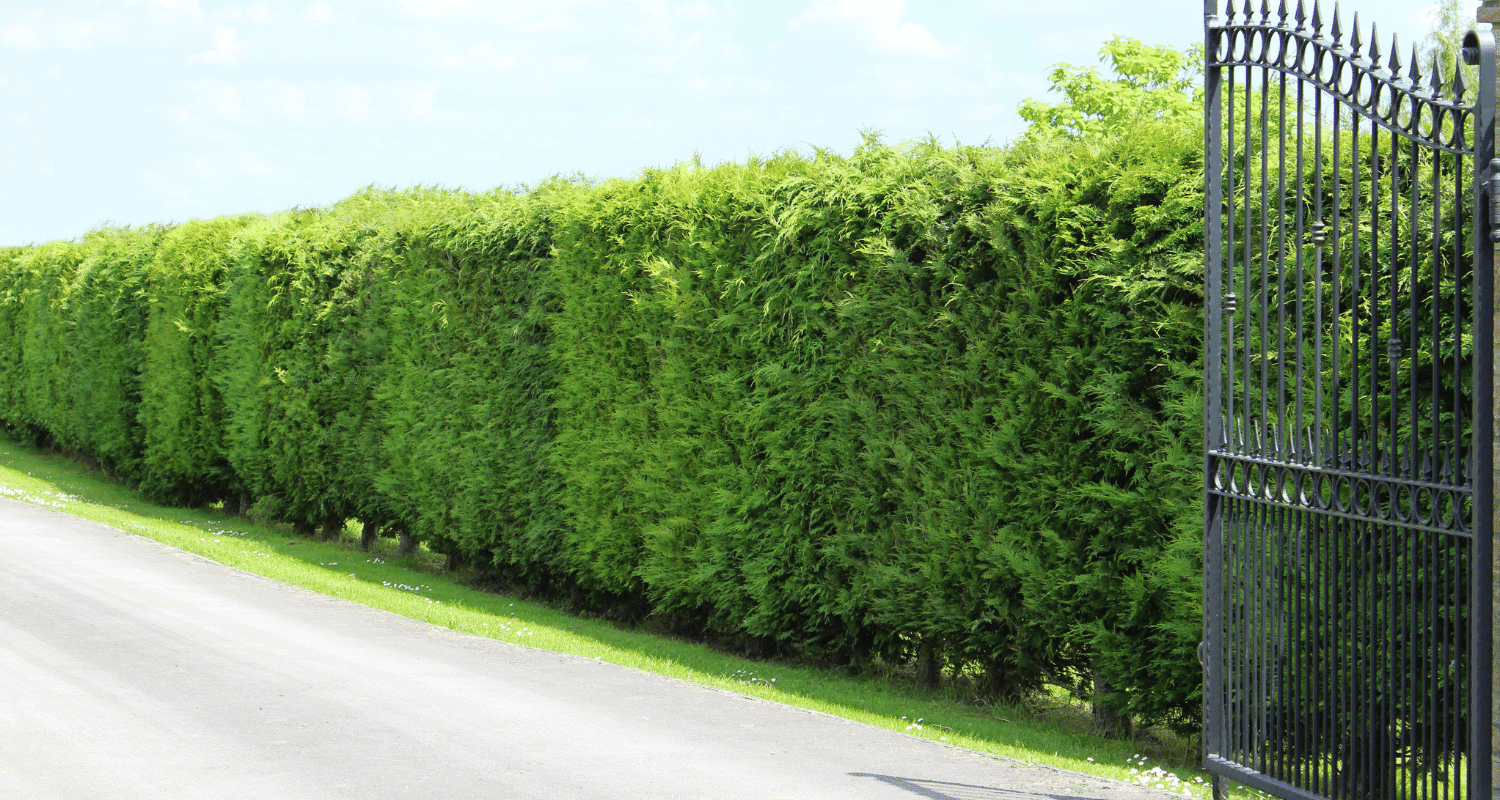
- Leyland Cypress: One of the evergreen classic trees, reaching heights of 3 feet a year, it makes the ideal tall, dense screen.
- Thuja Green Giant: a tough, flexible, and vastly popular privacy hedgerow in most climates.
- Hybrid Poplar: These trees work well on bigger opacities and have gained a reputation due to their great spread and quick growth.
These selections offer a high rate of speed, so they can be used quickly to create shade and a barrier to screen. These are excellent when lined up in a row along your fence line and where immediate privacy is needed.
Evergreen Privacy Options
Evergreens are one of the best solutions for maintaining coverage throughout the year, particularly with shrubs and trees. Evergreens are superior to deciduous varieties, which shed their leaves in the fall, leaving nothing to protect against winter weather.
- Holly Trees: Dense, glossy foliage with the bonus of bright red berries in winter.
- Eastern Red Cedar: Tough, low-maintenance, and excellent for blocking wind.
- Spruce Trees: Offer a pyramid shape and dense needles that create strong privacy walls.
In smaller gardens, evergreens also work well where large bushes can be lined up to cover an area, such as large space shrubs like boxwoods or arborvitae.
Dwarf Privacy Trees for Smaller Spaces
Not all yards have the room they need to grow. Dwarf privacy trees are ideal for compact properties. Even the smaller versions will provide screening without overwhelming the area. Good options are those that can be replicated, as they are easier to select.
- Dwarf Alberta Spruce: Slow-growing and conical, great for corners and borders.
- Japanese Maple (select varieties): Offers stunning foliage and moderate height for decorative screening.
- Compact Holly: Provides greenery and privacy without exceeding manageable heights.
Positioning dwarf privacy trees around patios, decks, or along the fence line allows you a measure of privacy that does not cast a shadow in your entire yard.
Native Privacy Trees
Native privacy trees are a clever choice because they are easy to use and sustainable. Native species suit the climatic and soil conditions more readily and are less susceptible to infestation by pests, drought, and disease. These are good native choices:
- Redbud Trees: This type of tree provides a spring blossom, yet also offers dense foliage in the summer.
- Eastern Red Cedar: This is a drought-resistant, hardy evergreen native to numerous places.
- Oak Trees: resistant, durable, and suited to large gardens.
Native trees will also provide habitat to local wildlife, serve as a backyard privacy solution, and be environmentally friendly.
Low-Maintenance Privacy Trees
Privacy trees are a necessity for anyone seeking privacy without the hassle of frequent maintenance. Once established, all these trees require minimal pruning, watering, or fertilizing. Options include:
- Thuja Green Giant: Nearly self-sufficient and grows quickly.
- Italian Cypress Trees: Tall, narrow, and low-maintenance, perfect for fence-line planting.
- Junipers: Hardy evergreens that thrive with little attention.
The choices cater to busy homeowners who need effective screening with minimal maintenance.
Cherry Blossom Privacy Trees
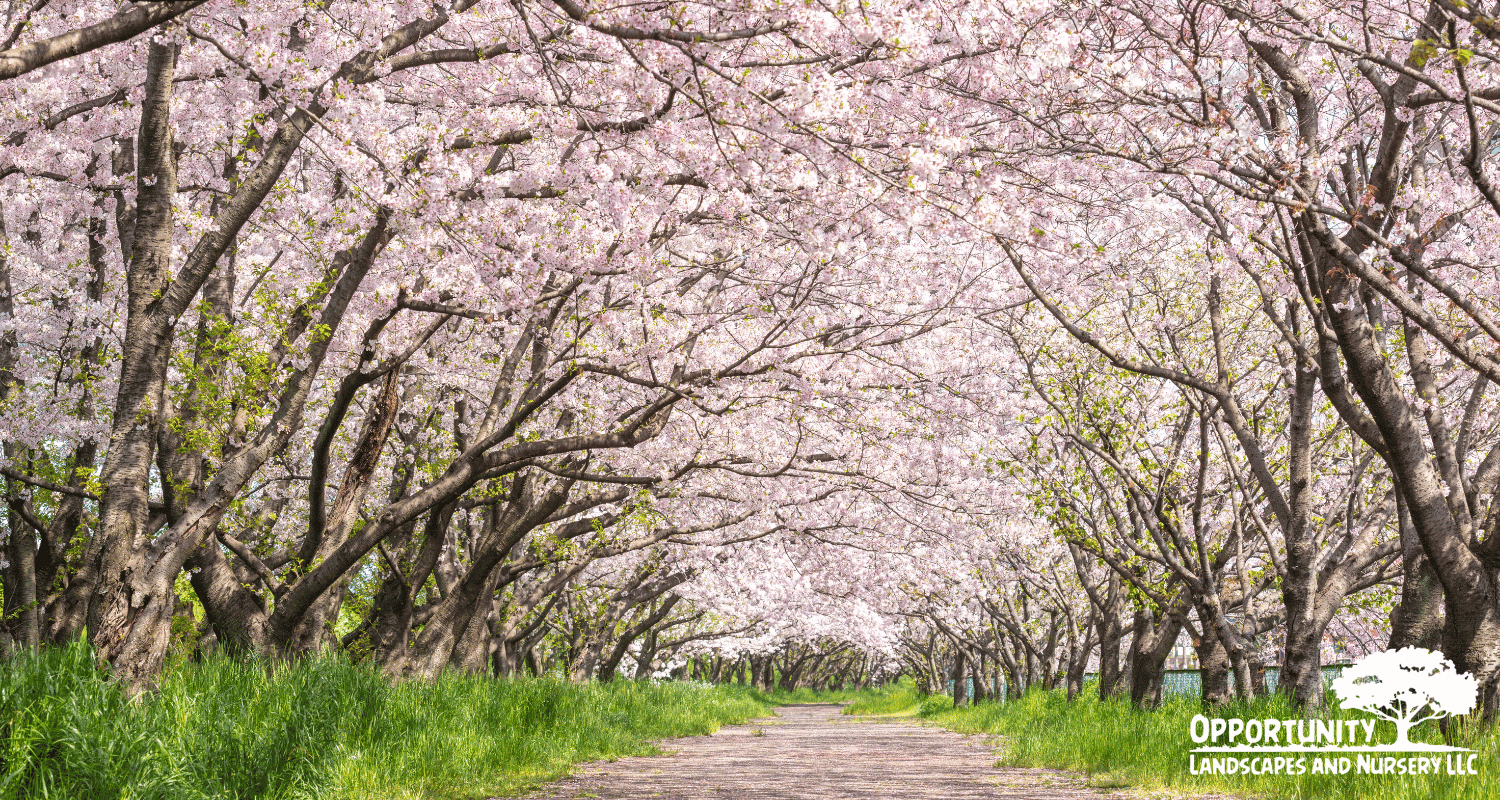
Whether it’s added beauty combined with privacy that is desired, cherry blossom privacy trees are an eye stopper. In spring, their flowers produce an impressive sight, and in summer, they leave shade (their foliage).
- Yoshino Cherry: Known for its beautiful pale pink blooms.
- Kwanzan Cherry: Double-flowered blooms and lush summer foliage for dense screening.
Cherry blossom trees planted along your fence line add privacy and ornamental appeal so that your yard is pleasant all year.
Italian Cypress Trees for Elegant Screening
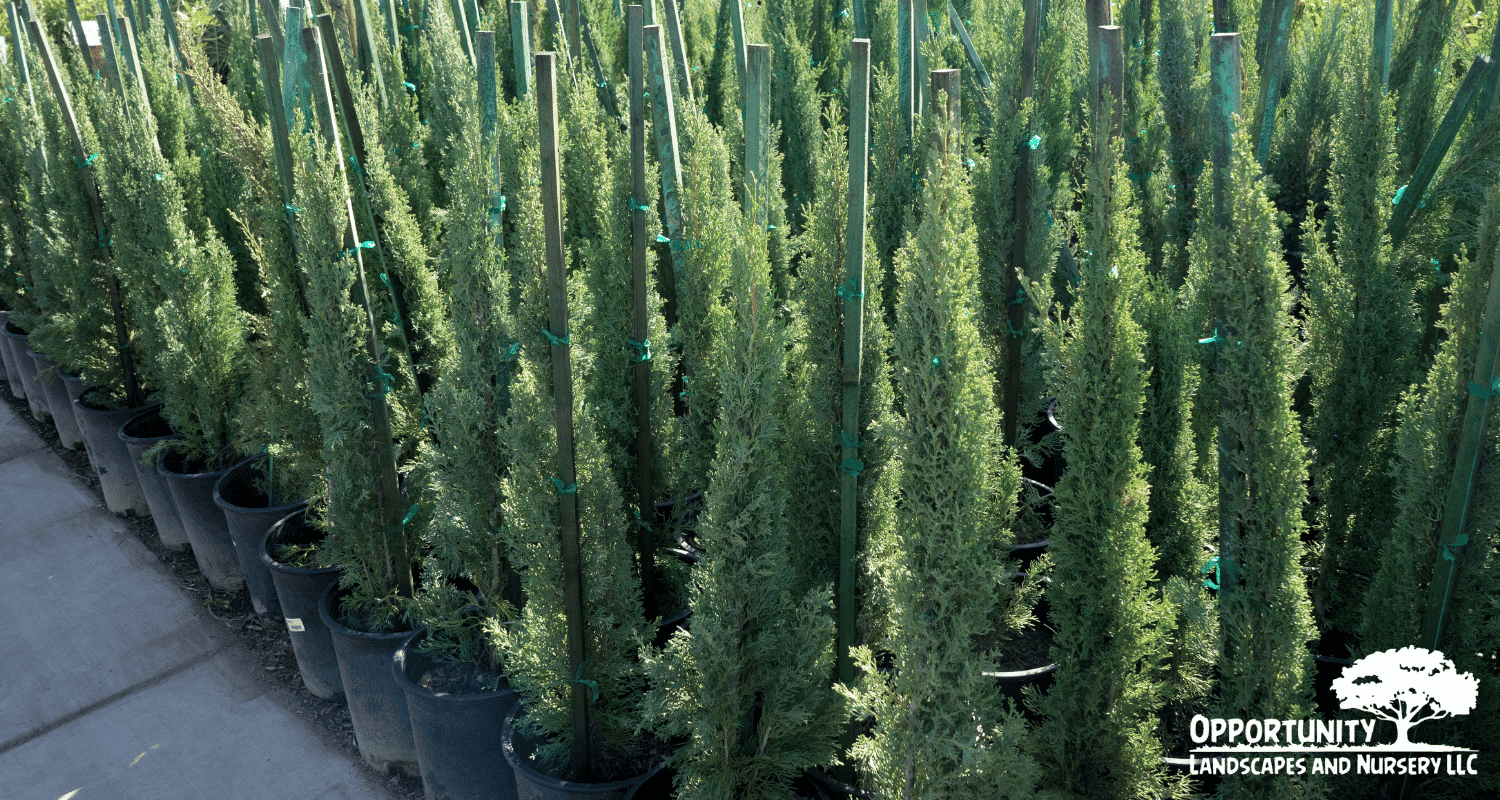
Consider Italian cypress trees, which have a more formal or Mediterranean-feel design. Because of their columnar height, they are brilliant at forming a lining of a driveway, boundary, or a backyard that requires privacy within height.
These trees also do not demand a lot in terms of pruning, thus a well-deserved low-maintenance privacy tree with a dramatic effect. They can be matched perfectly with paver patios and formal gardens, providing a stately look while also justifying the blockage of undesired views.
Designing Backyard Privacy with Trees
To make the best backyard privacy trees, consider first and foremost the locations, growth requirements, and tree requirements of your yard. A proper design will make your trees grow well without requiring maintenance and provide you with the coverage you desire.
- For small lots, use dwarf privacy trees or compact shrubs.
- For long fence lines, consider fast-growing privacy trees like Thuja or Leyland Cypress.
- For decorative appeal, mix evergreen shrubs with flowering privacy trees like cherry blossoms.
- On sloped yards, use staggered rows of evergreen plants for layered coverage.
Mixed privacy trees, different types, bring both depth, variety, and balance to the look of the trees, which increases privacy and landscape design features.
Conclusion
Privacy screening trees are not only a gift to your privacy but also add beauty, comfort, and home value. Whether you want instant privacy or natural privacy through the growth of trees, the right selection helps your backyard attain a secluded look.
Depending on your idea of an elegant yard or charming seasonal landscape yard, whether you need privacy trees that require a lot of maintenance or something simple, there is a choice that fits your needs and preferences.
To plan the perfect natural privacy scenario in your home, Opportunity Landscapes and Nursery is here to guide you confidently towards designing the ideal professional plantation and undertake the planting of your plantation successfully.
FAQs
What are the fastest-growing trees for privacy?
Thuja Green Giant, Leyland Cypress, and Hybrid Poplar are some of the fastest-growing privacy trees, capable of growing several feet a year to create a fast, yet effective natural screen.
What is the best tree to hide from neighbors?
Italian Cypress trees and Arborvitae are excellent options, providing dense foliage that can form a natural green wall and offer privacy by blocking the view of a neighbor.
What is the best plant to block neighbors’ views?
Boxwood or holly evergreen shrubs will provide privacy year-round, but flowering privacy trees are available, including cherry blossoms, sometimes providing both beauty and privacy.
What is the best tree to plant on a property line?
Evergreen privacy trees, such as Eastern Red Cedar or Thuja, are good choices along property lines because they are hardier and less demanding, and they continue to form a green screen most of the time.
Related Posts