If you live near Nashville and still drag out a hose and sprinkler every evening,…
Simple Ideas For Low-Maintenance Front Yard Landscaping
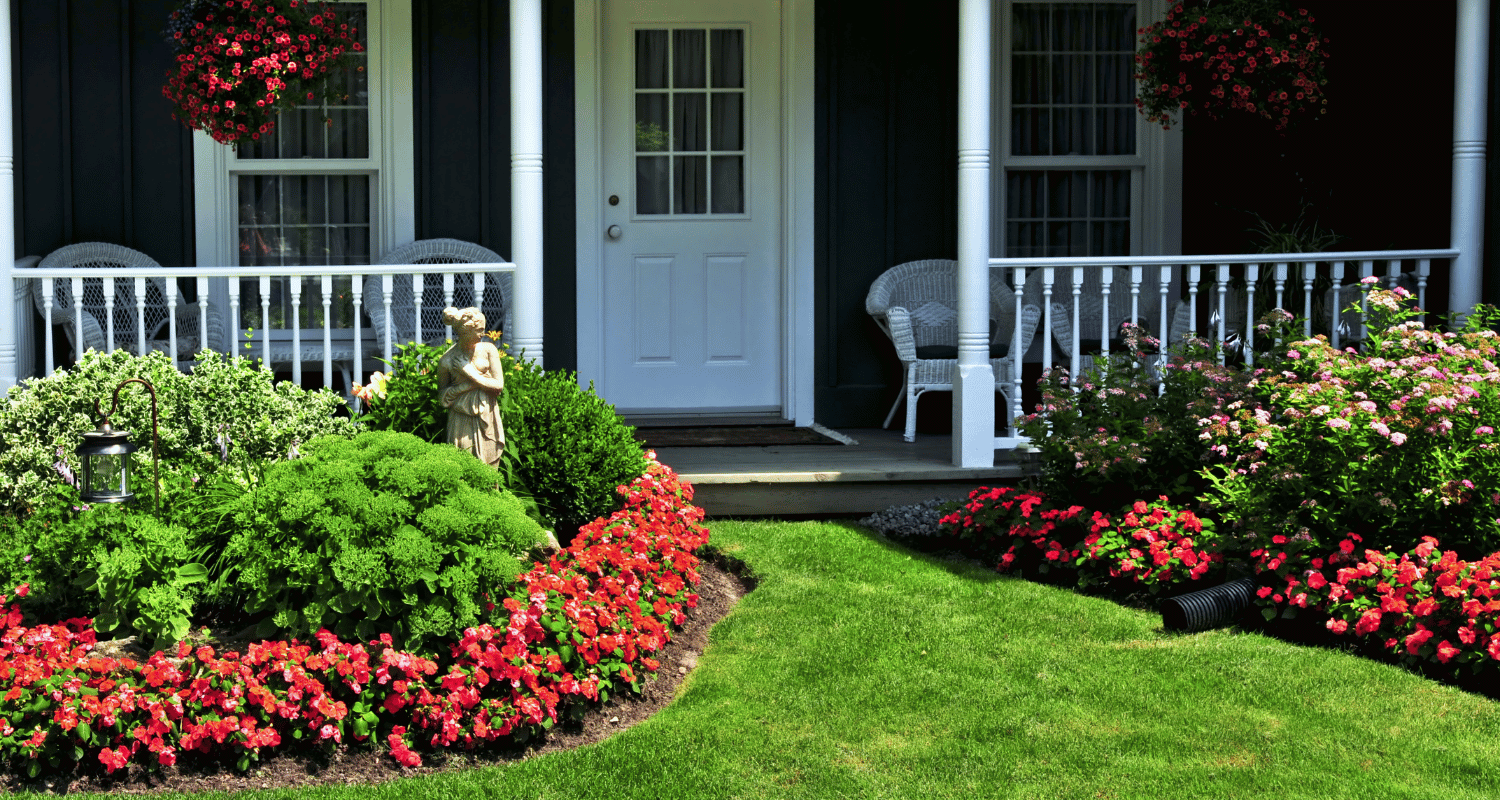
The first aspect that guests, neighbors, and even potential buyers see is your front yard as they come towards your house. Scenic landscaping can immediately increase the appeal of the curb, yet it might be tiring to have a green lawn or a complex front yard. That is where low-maintenance front yard landscaping comes in; it will provide you with a modern, stylish, and sustainable outdoor environment, without constant upkeep.
Whether you prefer gravel landscaping, desert-style plants, or a more traditional front yard garden, there are plenty of easy landscaping ideas to help you enjoy your yard without spending every weekend working on it. Here are the tips that you will find useful, the trends in landscape design today, and the traditional touches that will make your outside area beautiful.
Why Choose Low-Maintenance Landscaping?
The days of spending hours and hours mowing, watering, and fertilizing a big lawn are disappearing. Many homeowners are seeking alternatives to lawns that offer more benefits, including time savings and resource savings, while still providing the beauty. Here’s why:
- Sustainability: Using less water, fewer chemicals, and native plants makes your yard environmentally friendly.
- Time-saving: Spend less time pulling weeds, mowing grass, or trimming bushes.
- Economical: You use less water, and the amount of landscaping material required is reduced; hence, Maintenance costs are reduced.
- Curb appeal landscaping: Even a simple, well-planned yard can look beautiful and inviting.
Simple Landscaping Ideas for Your Front Yard
When you need inspiration to update your outdoor landscaping, consider the following innovative designs that are both low-maintenance and classic. These convenient, contemporary, and simple landscaping ideas can make you realize a gorgeous curb appeal without unending maintenance, which means that your front yard will always be attractive throughout the year.
Replace Grass with Lawn Alternatives
Rather than fight with a thirsty, high-maintenance lawn, use artificial grass, groundcover planting, or gravel landscaping. These options allow them to have a greener appearance or a smooth, sleek touch with much less maintenance.
- Artificial grass provides a year-round green look.
- Clover or creeping thyme as groundcover has a texture and is kept close to the ground.
- Gravel landscaping is minimalist and forms a clean style, complementing succulents or ornamental grasses.
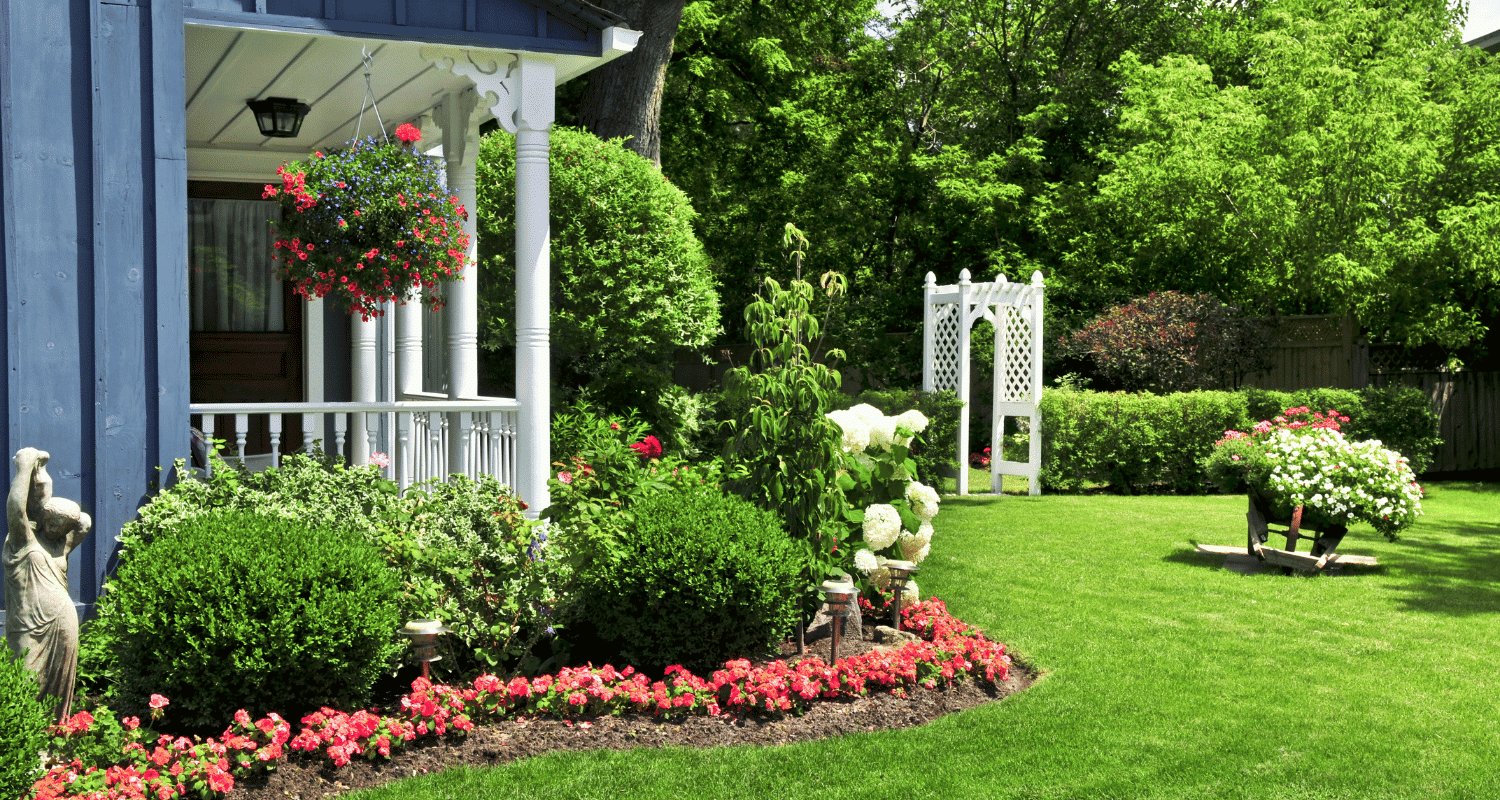
Design with Native Plants
One of the most intelligent methods of reducing maintenance is native plant landscaping. The local species are already accustomed to your climate, which implies they can grow with minimal water and fertilizer.
- Use native plants that are drought-resistant in arid areas.
- Plant some evergreen mixed with perennials to make the design balanced and seasonal.
- Include decorative grasses that move and add height, such as fountain grass or switchgrass.
Modern Rock Landscaping
With the help of rocks, a minimalistic landscape can be created that is both noticeable and long-lasting. Rock gardening can also be used as walks, borders, or even decorative elements of flower beds.
Paved walkways can serve both as paths and decorative features..
Mix mulch and rocks to create a textured surface and help keep weeds down.
Make use of boulders in your front yard.
Incorporate Easy-Care Shrubs and Evergreens
To create an annual building structure and permanent vegetation, one of the best options would be to incorporate shrubs in the front yard and evergreen plants. These shrubs are a source of texture, color, and structure all year round, so that your landscape appears lively and in good condition without the need to trim it regularly. Popular low-maintenance options are:
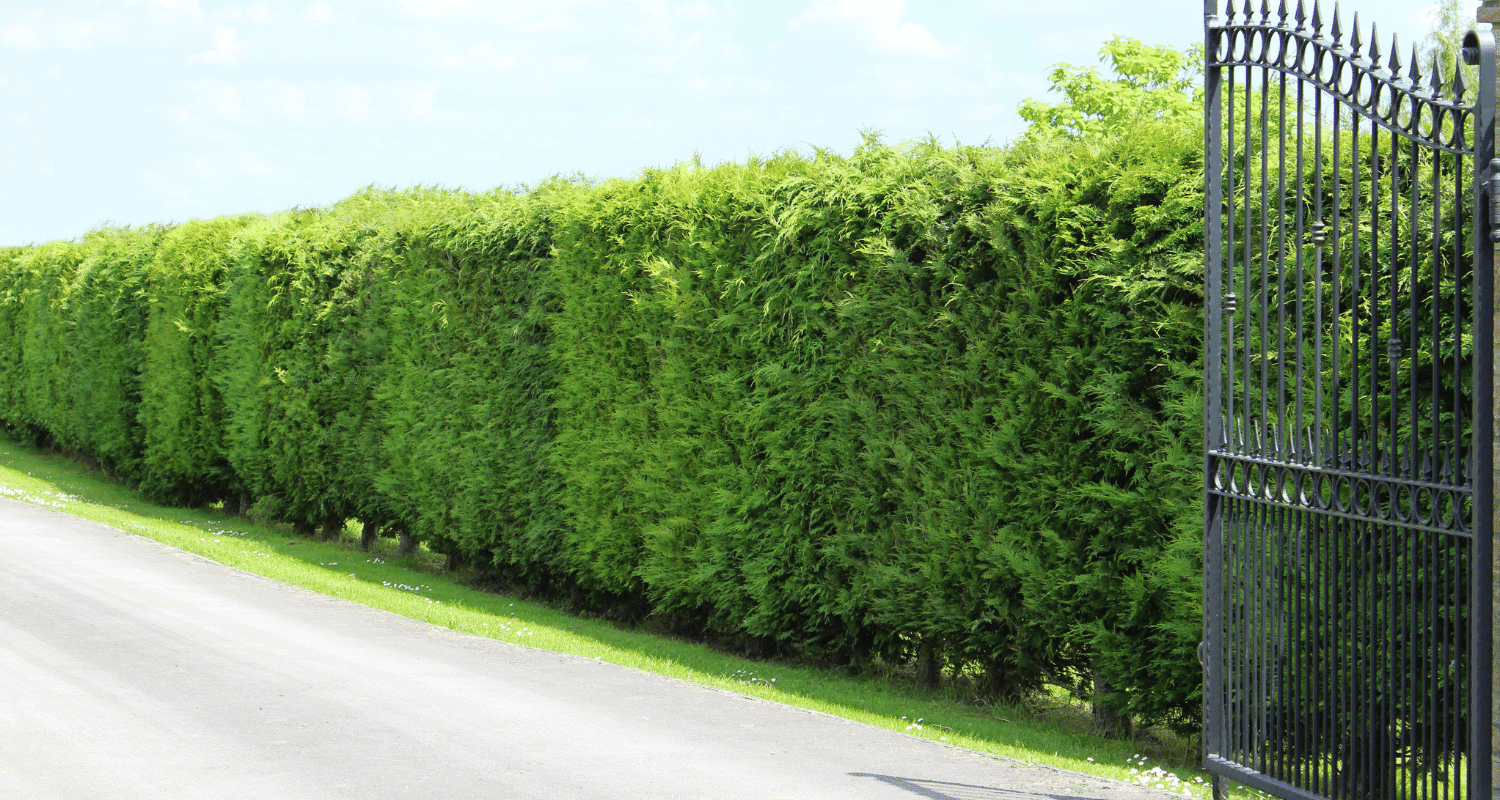
- Boxwood hedges to trim formal boundaries.
- Hostas in the shade and deep foliage.
- Compact shrubs provide year-round greenery.
The plants require minimal pruning and maintain their shape throughout the year, resulting in clean front yard landscaping.
Install Hardscaping Features
Low-maintenance landscaping involves not only selecting the right type of plants but also creating a balanced design with durable elements that require minimal maintenance. The hardscaping features, which include stone patios, brick landscaping, retaining walls, or ornamental pathways, bring permanence and beauty. These not only reduce the amount of work in the yard but also increase the curb appeal by adding depth, definition, and functionality to your front yard.
- A pavement creates old-fashioned beauty.
- The current landscaping landscape tends towards minimalist designs with concrete or smooth stone designs.
- Consider adding an element of water, such as a small fountain, to create a calming effect.
Plant Low-Maintenance Flower Beds
When you love color but not the care, go with low-maintenance types of flowers such as coneflowers, daylilies, and black eyed Susans. Combine perennials and low-maintenance mulch with them to achieve lasting effects.
- Cluster flowers together to have a visual effect.
- Mulch helps keep the soil damp and limits weeds.
- Defined by a border made of boxwood.
Add Container Gardens and Vertical Elements
Plant your front door or porch with container gardens, which you can easily rearrange to update your landscaping. Containers offer the benefit of allowing you to change the plants with the seasons and add variety without commitment.
Vertical gardens are a way of taking greenery high on the walls or fences in small yards to maximize the available space with minimum maintenance.
Desert Landscaping for Dry Climates
In arid places, landscape designs using succulents, cacti, and rocks are beautiful and require little water.
- Succulent landscaping adds sculptural beauty.
- Insert gravel landscaping and sand to have a unified appearance.
- Use drought-resistant plants to be sustainable.
Use Mulch and Groundcovers Wisely
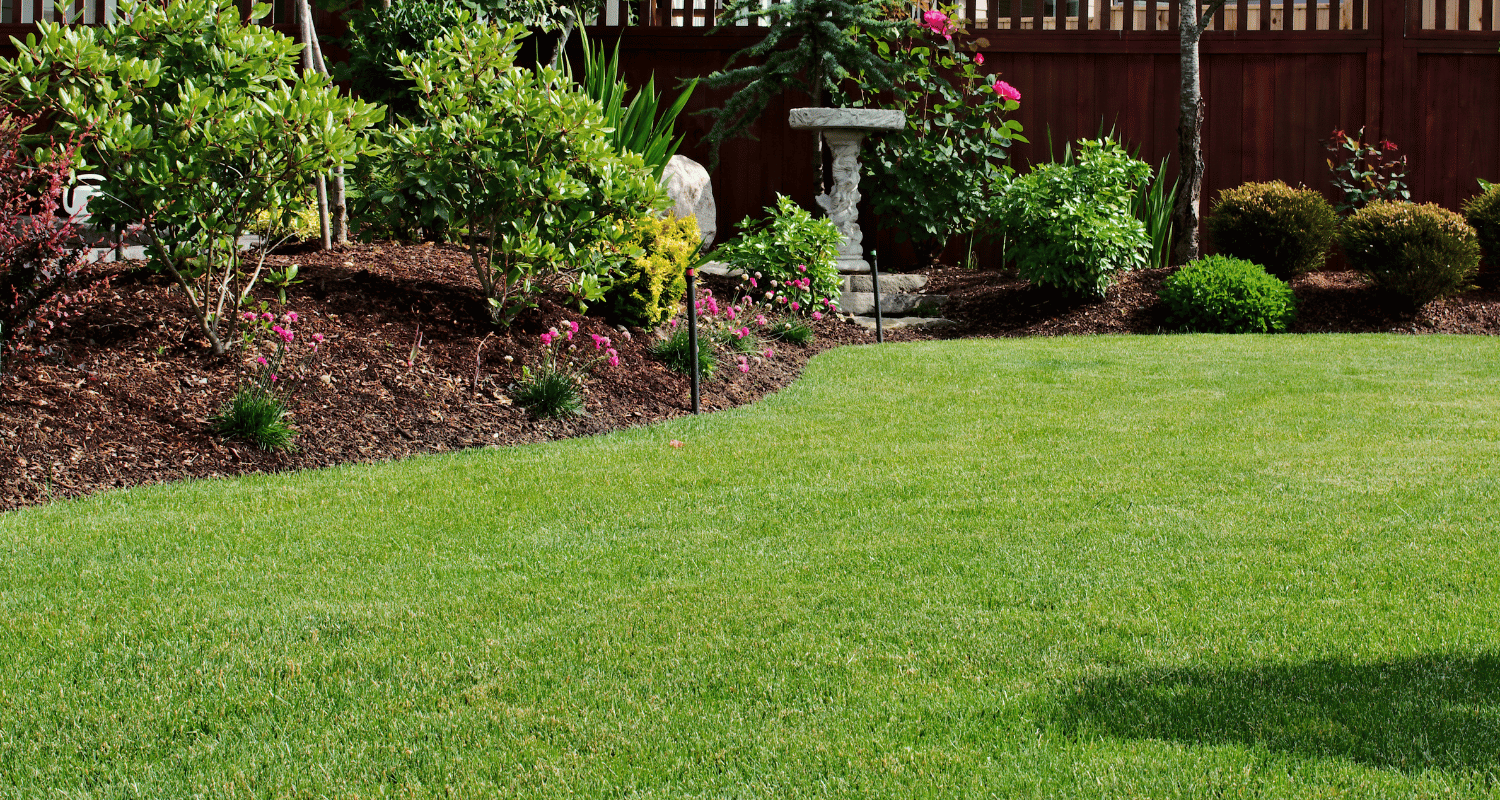
One of the most effective and least sophisticated tools of low-maintenance landscaping is mulch. It assists in the prevention of weeds, soil moisture conservation, and control of temperature around plant roots, and also provides your yard with a classy appearance. To give still greater convenience and attractiveness, combine mulch with groundcover planting like creeping juniper, thyme, or sedum. These tough plants create a natural green roof that covers the bare areas, helps to prevent erosion, and needs minimal maintenance when rooted. By combining mulch and groundcovers, you create a strong, alluring, and practically self-sustaining base for your front yard’s design.
Smart Irrigation Systems
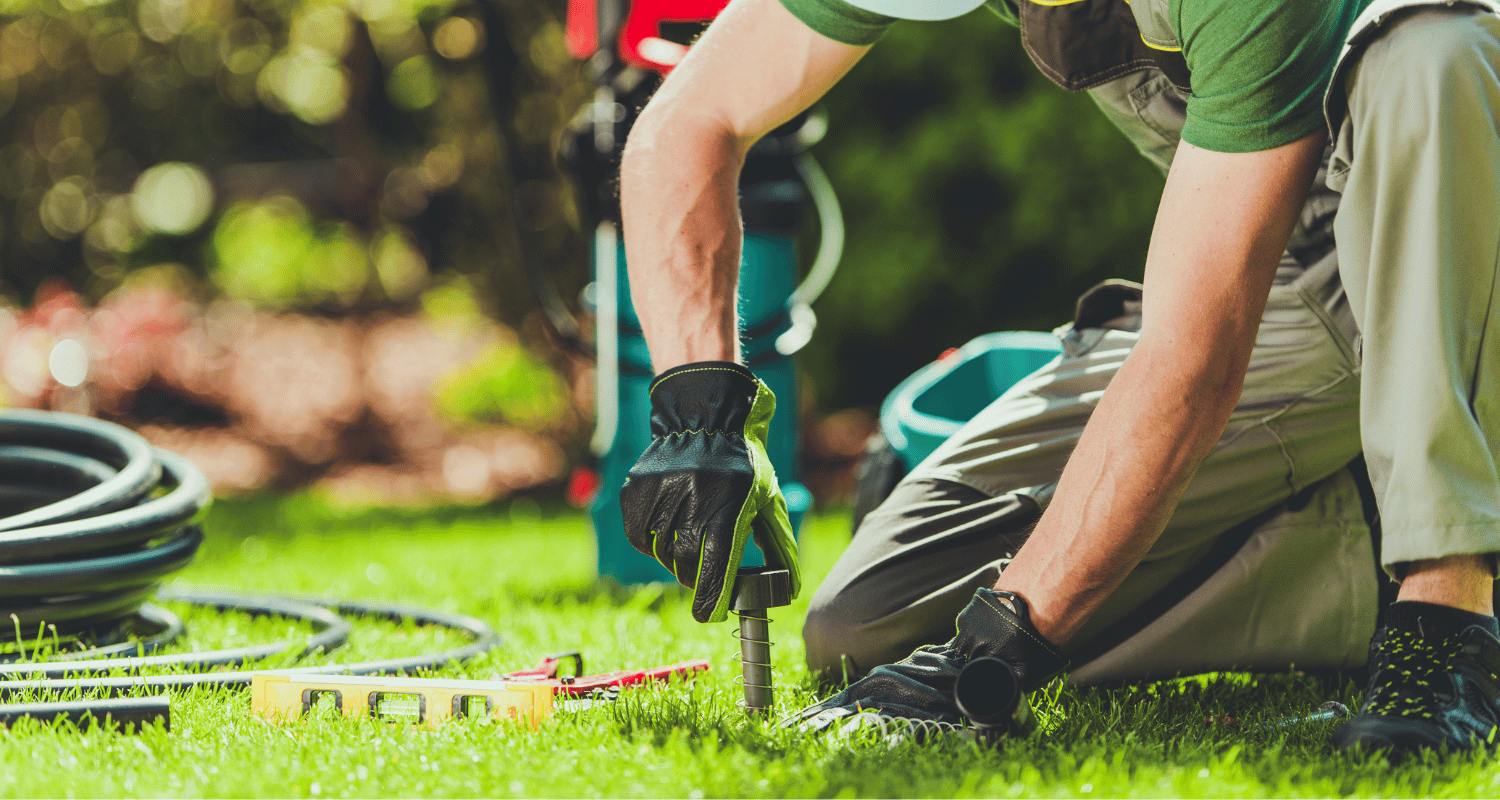
Hand watering or the use of guesswork may be time-consuming and inefficient. Smart irrigation systems automatically adjust watering based on weather and seasonal needs. These systems are programmed to change according to seasons and weather, thereby saving money and reducing waste. Automated irrigation should be used with water-saving plants such as succulents, ornamental grasses, or drought-tolerant perennials to achieve optimal outcomes. This mix ensures that your landscape will be healthy throughout the year, and maintenance is kept to a minimum.
Creating a Cohesive Front Yard Design
When combining these thoughts to form a consistent plan, one should not forget several principles of landscape design that have stood the test of time. These are some of the guiding factors that will enable you to make sure that your front yard does not merely appear beautiful in sections, but rather blends intuitively as a complete entity, that is, striking a balance between the beauty and the functionality:
- Balance: Mix textures, colors, and plant heights for harmony.
- Focal points: Use a tree, water feature, or bold shrub as the centerpiece.
- Seasonality: Combine evergreens with seasonal perennials for year-round appeal.
- Simplicity: The hallmark of easy landscaping is avoiding clutter.
The clever arrangement of shrubs, ornamental grasses, and hardscaping features can create a front yard that feels both modern and timeless..
Quick List of Low-Maintenance Landscaping Features
To ensure you inspire action, the following checklist outlines actionable tips and features that elevate your curb appeal landscaping project. Use it as a reference to combine and match the pieces that fit your taste, costs, and servicing choice to a front yard that you will adore:
- Reduction in the lawn area: the introduction of more gravel or mulch.
- Native plants and drought-resistant plants.
- Hostas, ornamental grasses, and perennials.
- Brick, stone, or concrete hardscape.
- Vertical gardens and container gardens.
- Bushes such as boxwood and evergreens.
- Cactus and desert scenery.
- Mulched flower beds require little or no maintenance..
- Automated sprinkler system.
Conclusion
Maintenance of front yard landscaping does not imply compromising beauty; it simply requires smarter work, which entails the right combination of vegetation and hardscaping with design options. With gravel landscaping or artificial grass, planting native flora, incorporating evergreen and shrubs, and sensible hardscaping, you can make your outdoor space a stylish and problem-free home.
We know your yard can improve your life at Opportunity Landscapes and Nursery, but not replace it. The concepts of these landscapes envelop you with the permanence of curb appeal, allowing for less time spent on maintenance and more time spent on relaxation. Whether you envision a desert-themed garden, a contemporary minimalist appearance, or a colorful front yard design featuring perennials and ornamental grasses, the options are infinite.
Transform your yard into a garden today and enjoy the benefits of a sustainable, beautiful, and low-maintenance landscape right here in the United States.
FAQs
What is the most low-maintenance landscaping for a front yard?
The simplest front yard landscaping is the least maintenance type, which usually includes lawn substitutes (such as gravel landscaping, fake grass, or groundcover planting) and native plants that survive in your local climate. Hardscaping (adding rocky paths, beds of mulch, or other stones) not only enhances your yard’s appearance but also eliminates maintenance.
What is the rule of 3 in landscaping?
The rule of 3 in landscape design suggests arranging plants or features in groups of three for a natural, balanced look. Menaces are odd numbers, i.e., three shrubs, three ornamental grasses, three clusters of flowers, etc., which makes it look more natural and more attractive to the eye than even-number arrangements.
What are cheap front yard landscaping ideas?
Low-cost landscaping tips include applying mulch to prevent weeds, planting perennials that repeat annually, and flexibly placing container gardens. Gravel landscaping and native plants are affordable because they require little water or upkeep. Money can also be saved by using bricks, rocks, or reclaimed wood to edge or border.
What can be planted in front of a house instead of bushes?
Rather than conventional bushes, consider incorporating ornamental grasses, low-maintenance flowers, or succulents for a contemporary curb appeal. Your entrance can be made welcoming with vertical gardens, containers, or a small water feature to keep the maintenance costs low. Evergreens or boxwoods also make good substitutes in case of a year-round structure.
Related Posts