

One of the most essential parts of any home is its landscaping, and whether you…
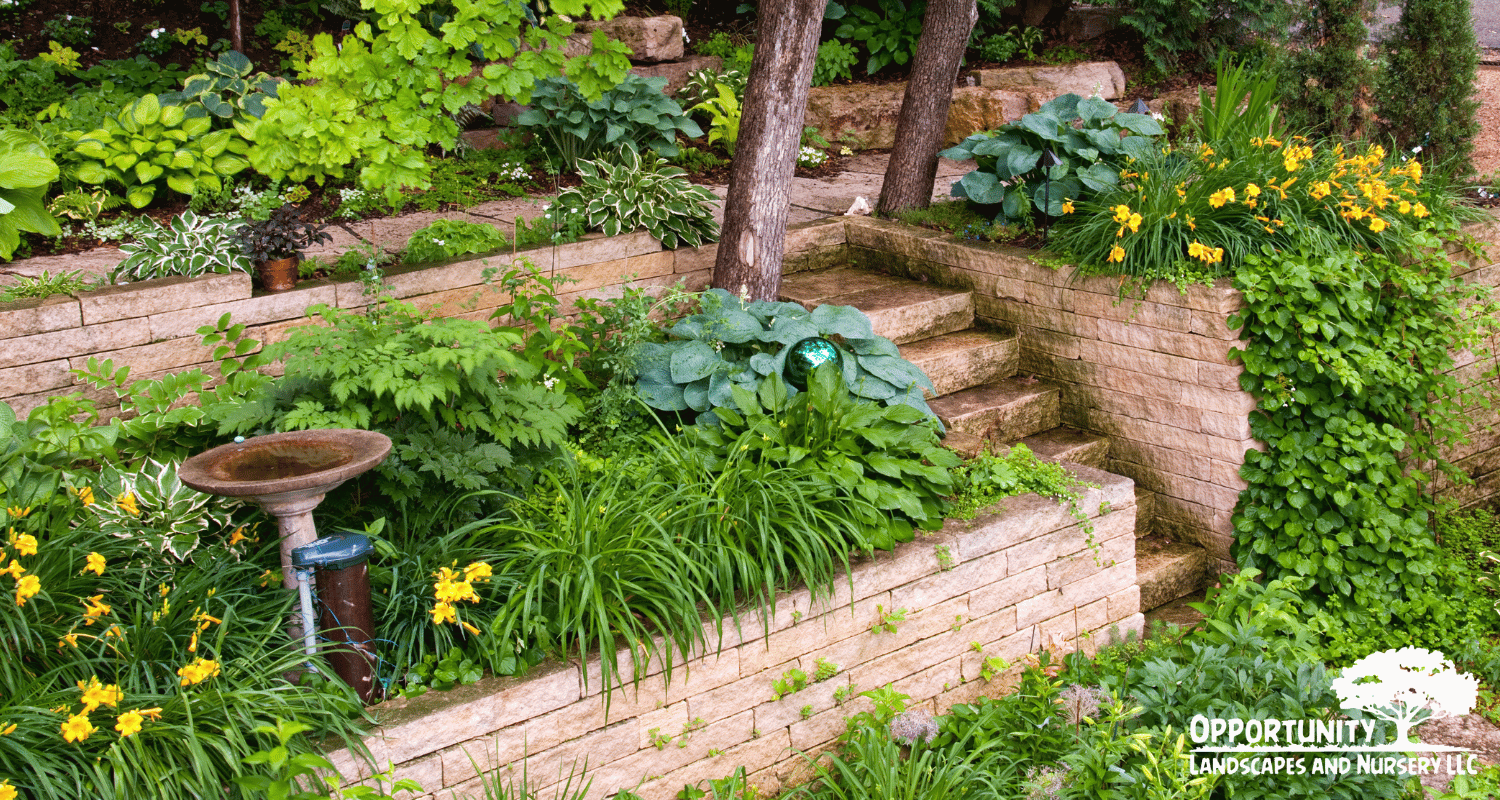
Backyard Retaining Wall Ideas: Designs, Materials, and Inspiration
A yard makeover is not always about planting trees, installing grass, or introducing flowers. Construction aspects, such as backyard retaining walls, are a critical part of achieving beauty and functionality.
We understand at Opportunity Landscape and Nursery how the proper retaining wall can add a much-needed function and style to an otherwise unfavorable and unusable yard on uneven or sloped terrain.
Are you looking for DIY retaining wall ideas, a cool modern design, or a cost-effective solution on a tight budget? This guide has everything you need to know to make your backyard the best it can be.
Why Backyard Retaining Walls Are Essential
Retaining walls may be necessary for a properly designed landscaping project in your backyard. These walls retain soil, handle water drainage, and create even, usable spaces in a sloping yard.
In addition to structure, retaining walls provide depth and create spaces, along with the ability to accentuate features such as a tree, palm, fireplace, or fire pit. When well thought out, they lead a harmonious life in your landscape.
DIY Backyard Retaining Wall Ideas.
For homeowners who enjoy working with their hands, DIY retaining wall ideas offer a cost-effective solution, providing flexibility and control over pricing. When you decide to install a wall by yourself, you manage to save labor costs as well as contribute to your backyard landscaping.
A sloped yard can, with the right equipment, patience, and imagination, be turned into a well-organized, practical area. A few backyard ideas are:
Cinder block retaining walls
Cost-effective, durable, and easy to stack, it is a good choice where affordability matters. They are paintable, stuccoed, and veneered to smooth things out.
Paver walls
The decorative blocks are lightweight and easy to operate, and are best suited to smaller areas. They form neat edges on grass, raised vegetable gardens, or even pathways, and still maintain a professional look.
Timber Retaining Walls
Rustic and charming, they are a great match for casual or rustic-style backyards. They might not stand up to stone and concrete, but they can be made to be long-lasting through proper treatment and good drainage.
Stacked stone walls
A favorite with do-it-yourselfers who are seeking a real, natural, permanent look. This and other stones add texture and character to the walls, so that they can easily be matched to existing trees, palms, or plants.
Finishing details such as stucco and stone veneer, as well as built-in lighting, can even make inexpensive retaining walls look refined.
Stone Retaining Wall Designs
Stone retaining wall designs are your No. 1 solution when you desire timeless surroundings. They make any sloped backyard look elegant, sturdy, and full of character. The typical choices are:
- Fieldstone walls for rustic charm.
- Cut stone walls for symmetry and clean lines.
- Boulder walls for dramatic, large-scale backyards.
Though paired perfectly with an element such as a fire pit, tree, or ornamental grass, stone is a form of optional decor and adds functionality to the space.
Modern Backyard Retaining Wall Concepts
Modern homeowners with modern tastes should consider the sleek architectural backdrop of modern retaining wall ideas, featuring simplistic and minimalist finishes that complement the sleek architectural frameworks and contemporary outdoor living areas.
Such designs are usually more concerned with form and functionality and are well incorporated into an entire backyard landscape. Well-known versions are as follows:
- Smooth concrete block walls: They are sleek and modern with few to no lines, and they look great in geometric yards or implemented alongside paver patios or outdoor kitchens.
- Metal and concrete combinations: They are long-lasting and attention-grabbing, making them ideal for backyards inspired by city environments.
- Graduated terraces: Sloping the garden into tiered terraces makes it look deeper, and it produces space to plant gardens, seating areas, or decorative plantings of grass.
- Integrated lighting: LEDs are used where required to make the walls glow with a controlled ambience at dusk to draw attention to nearby trees, palms, or even a fire pit.
These walls create an extraordinary visual effect when paired with a patio, outdoor kitchen, or small plantings, completing a refined and modern appearance.
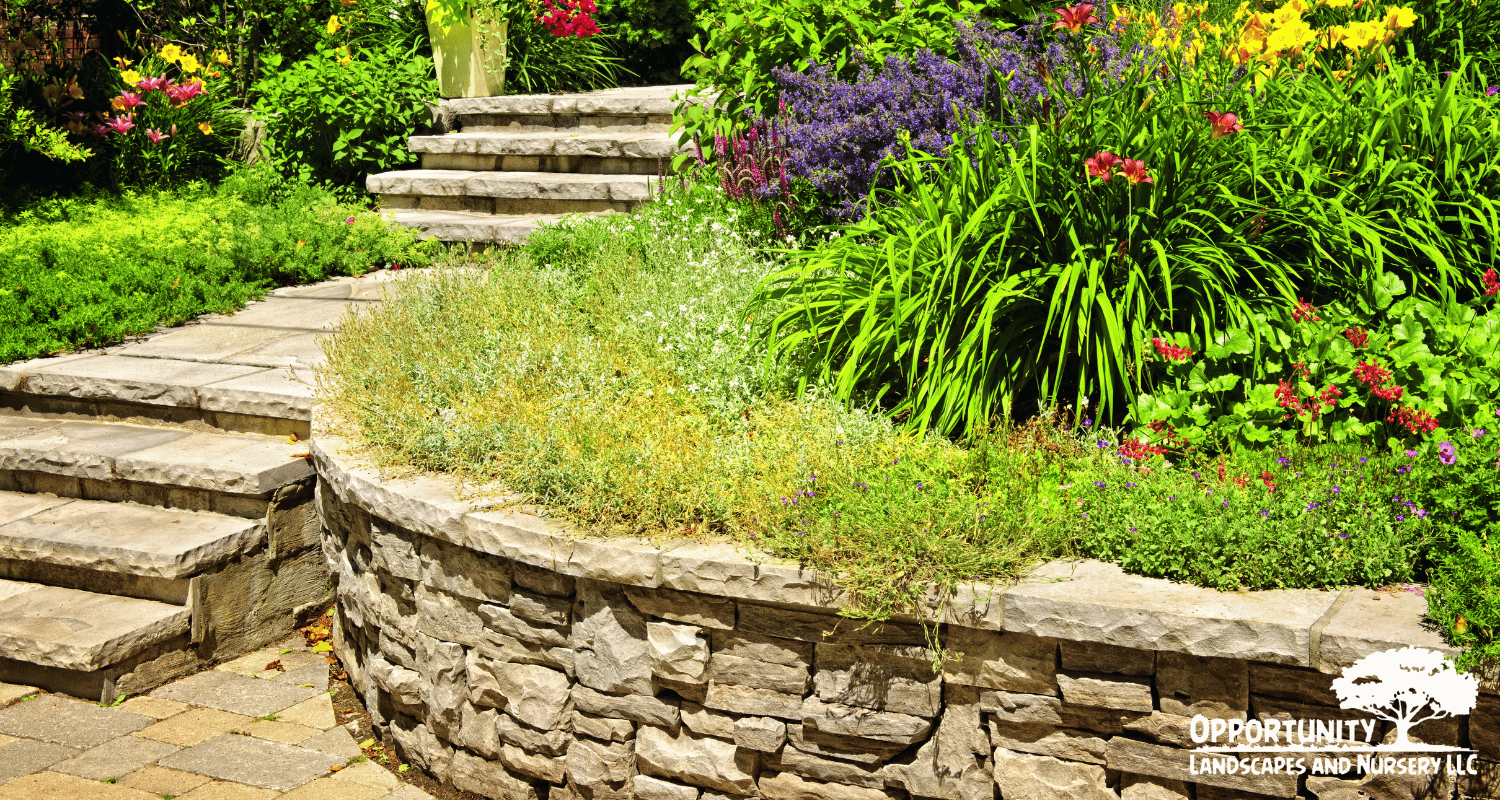
Low-Cost Retaining Walls for Backyards
Not all projects need fancy stone or concrete hand-crafted to fit. Most homeowners are seeking affordable retaining walls that are both strong and aesthtically appeling. The low-cost backyard alternatives are:
- Cinder block walls with stucco or paint finishes.
- Concrete block retaining walls topped with decorative caps.
- Recycled materials like bricks, pallets, or repurposed pavers.
The use of creative and inexpensive retaining walls could be luxurious. They are ideally suited to small sloping gardens, as edging of lawns and gardens, and seating.
Drainage-Friendly Backyard Walls
During design, proper drainage must be provided in a wall, mainly when the wall is used in landscaping the back premises, where rainfall or piped water may easily saturate soils in the garden.
An improperly drained retaining wall is at risk of cracking, tilting, or even collapsing as a result of the water pressure mounting behind the wall. You should have drainage-friendly walls that contain:
- Gravel/crushed stone backfill: Free flowing of water, and does not compact against the wall, along with exposure to heat.
- Drainage pipes behind the wall: The drain is perforated to move the water safely around the pressure point.
- Weep holes: These are tiny holes where water has accumulated and are given vent to relieve this pressure to ensure stability of the walls as time goes by.
Planning the movement of water can make your wall last for years to come, and you secure your investment in the backyard landscaping.
Landscape-Integrated Backyard Walls
Ideally, backyard retaining walls blend into the other components of your landscape, striking a balance between substance and nature to afford a natural, harmonious appearance.
Rather than appear as mere functional obstacles in the yard, landscape-integrated walls contribute to expanding the overall design of the yard, so that the outdoor space can also appear carefully designed. A few possible integration ideas are:
- Curved walls: Trace existing lines just like the garden beds to make the lines soft, which will form an impression of motion.
- Built-in seating on retaining walls offers a two-in-one advantage, providing an extra use around a fire or patio pitch.
- Walls and fire pits or fireplaces: Use walls combined with fire pits or fireplaces; they transform simple walls into cozy focal spots.
- Decorative grass and flowers in the crevices of the walls: Incorporate vegetation into the interior to create a gentler and simpler aesthetic.
These walls in the design of landscapes induce harmony such that the hardscape and the softscape feel like a single design, which is ideal to enhance your everyday front yard landscaping.
Retaining Walls for Sloped Backyards
Most backyards have slopes, and retaining walls are the backbone of creating functional spaces. Retaining walls can be incorporated into sloped backyard landscaping:
- Design stairs to the garden or seated areas.
- Offer flat areas in which to use paver patios or play areas.
- Add natural beauty with stone terraces or wood walls.
- Design of the right wall transforms a steep, problematic slope into the most appealing and enjoyable functional area of your land.
Best Materials for Backyard Retaining Walls
Selection of materials is essential in terms of durability and aesthetic appeal, as well, because your choice of the material will predetermine how long your backyard retaining wall will serve you and will determine how well it will suit the landscape.
These materials offer various advantages, making it easier to connect your wall to the overall appearance of your outdoor area. The following are some popular types of retaining walls done in backyards:
- Cinder block: Low-cost, stackable, and sturdy; an excellent option for retaining walls.
- Hard block: Strong, versatile, and ideal for building modern retaining wall ideas.
- Stone: Elegant and timeless, it is ideal for use in the design of stone retaining walls.
- Paver blocks: They are lightweight and ornamental, making them well-suited to DIY retaining wall concepts.
- Wood or timber: These materials are warm and cozy, integrating well into natural backyard landscapes.
The ultimate choice is based on style, economics, and the level of maintenance you are prepared to maintain on a long-term basis.
Adding Features Around Backyard Retaining Walls
Retaining walls have an additional purpose besides containing soil, as they can also emphasize or define other elements in your backyard, changing simple units into design elements. Carefully-positioned walls allow you to establish focal points in your backyard landscaping that make a space more harmonious and welcoming. A few creative ideas are:
- Trees and palms: Use walls to protect their roots while adding vertical height to the landscape.
- Grass lawns: Level slopes using walls so the slopes can become play areas.
- Fire pits or fireplaces: Built into walls, creating places to gather and have fun in a cozy corner.
- Paver patios: Combine walls and paved surfaces to create a seamless outdoor space, enhancing your lifestyle.
When you combine walls with other features, you transform your backyard into a multi-purpose retreat.
DIY vs. Professional Help
Small retaining walls in the backyard are ideal for DIY projects, particularly when using materials like paver blocks, timber, or cinder blocks. Nonetheless, bigger or weight-supporting walls, especially on a sloping yard, must have the expertise of a professional landscaper. Workers ensure dryness and manage walls that are welcoming to drainage, using the appropriate material to induce long-lasting effects.
Conclusion
With DIY retaining wall ideas, modern backyard retaining wall concepts, stone retaining wall designs, as well as DIY stone wall options, the opportunities are unlimited to enhance beauty and utility. If you’re looking for retaining wall ideas to build on a slope in your backyard, frame a fire pit, or create a paver patio, or simply need affordable retaining wall options, the right design can transform your outdoor space.
Opportunity Landscapes and Nursery specializes in constructing durable and affordable retaining walls that seamlessly fit into your backyard landscaping design. Whether it be low-cost projects or completely custom and landscape-integrated walls, our crew not only offers creativity but also the craft.
FAQs
What is the cheapest retaining wall to build?
The most affordable retaining wall to construct is either cinder block, concrete block, or timber, because within its affordable range, they are easier to build and readily accessible.
What is the 1/3 rule for retaining walls?
The 1/3 rule refers to the principle that the underlying part of the wall should be approximately 1/3 of the total wall height, ensuring sufficient stability to prevent tipping or damage caused by soil pressure.
What is a cheap idea for a retaining wall?
One of the possible cheap retaining wall ideas is implementing recyclable materials such as old bricks, pallets, or reused pavers that can be cheap but remain appealing once constructed intricately.
What are the seven common mistakes made when installing retaining wall blocks?
Weak base preparation, failure to provide adequate drainage, improper backfill, using the wrong material, uplifted joints, excessive height, unreinforced masonry, and soil pressure.
Related Posts


